Normal MRI But Ongoing Back Pain: What MRI Cannot See
MRI is excellent at structure but blind to inflammation patterns, functional pain, and central sensitisation. Here is what to consider when scans are clean.
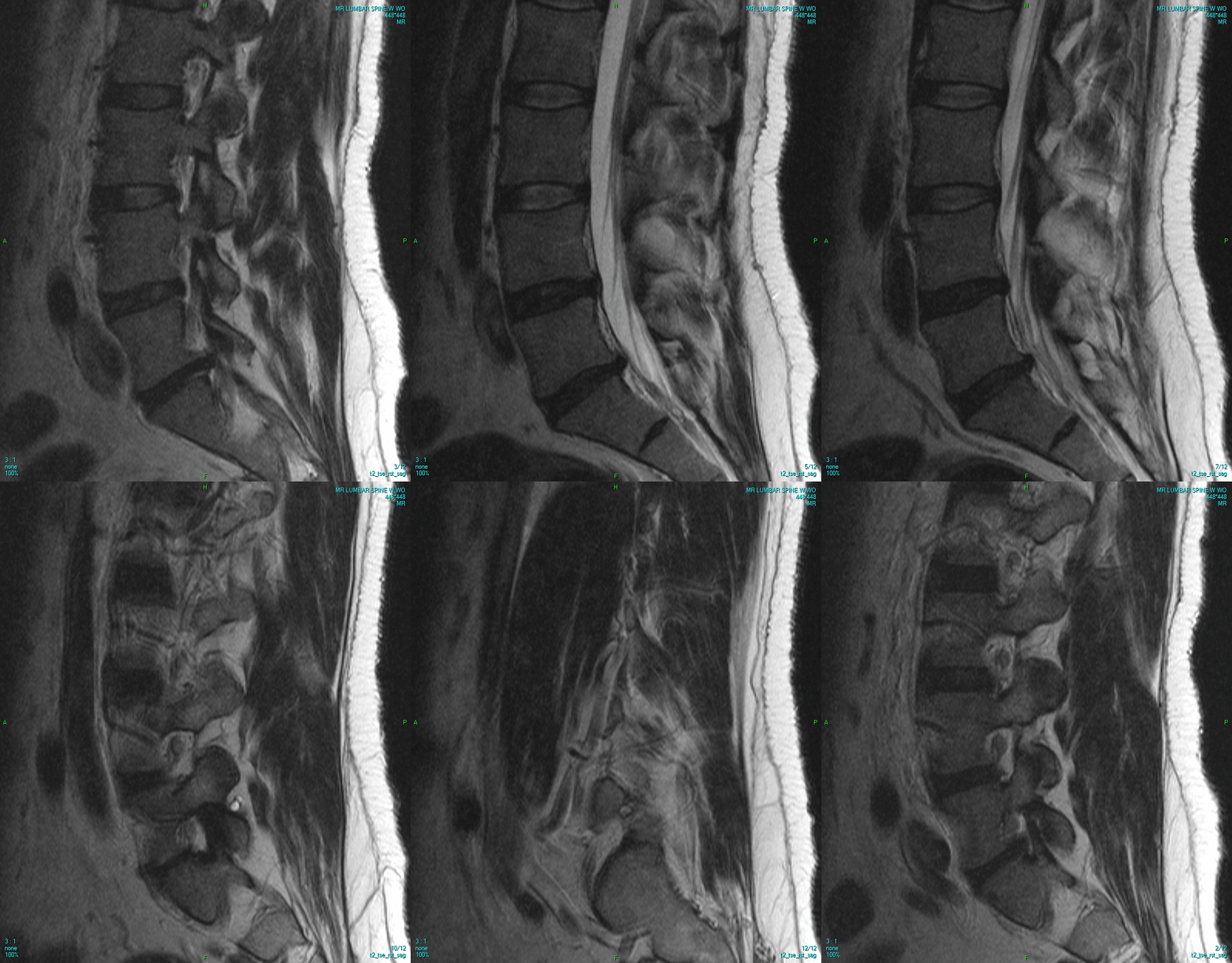
MRI images structure — discs, vertebrae, ligaments, nerves — very well. It does not image pain, muscle behaviour, or central nervous system processing. Persistent back pain with a normal MRI is almost always genuine and usually reflects muscular, ligamentous, facet-joint, myofascial, or central-sensitisation pain — none of which show up on MRI. The best next step is rarely another scan.
MRI images spinal structure but cannot see muscle-derived pain, myofascial trigger points, most facet-joint dysfunction, or central sensitisation. Persistent back pain with a normal MRI is common and usually genuine — about 85% of chronic back pain is non-specific. Movement therapy, graded exposure, and pain education outperform repeat imaging in most cases.
- What MRI shows well
- Discs, nerves, canal, bone marrow
- What MRI misses
- Facet joints (mostly), muscles, functional pain
- Prevalence
- ~85% of chronic back pain is non-specific
- Highest-yield next step
- Structured physio + graded exposure
What MRI cannot see
Muscle-derived pain leaves no MRI signature — muscles look identical in pain and rest. Facet joint arthritis is visible but poorly correlates with pain. Sacroiliac joint dysfunction rarely shows on standard MRI. Myofascial trigger points do not image.
Central sensitisation — where the nervous system amplifies pain signals from otherwise normal tissue — is a real biological phenomenon with no imaging correlate. It is common in chronic pain of any origin and responds to different strategies than structural pain.
Structural vs functional back pain
| Feature | Structural | Functional / muscular |
|---|---|---|
| MRI findings | Often abnormal | Usually clean |
| Radiation | Follows nerve distribution | Often diffuse or across the low back |
| Worse with | Specific movements | Prolonged posture, stress |
| Neuro signs | May have numbness, weakness | Absent |
| Best treatment | Sometimes surgery / injection | Movement therapy + graded exposure |
- New leg weakness, foot drop, or worsening numbness.
- Loss of bladder or bowel control (cauda equina).
- Fever with back pain, IV drug use, recent infection.
- Weight loss, night pain, cancer history.
A realistic next-step plan
- 1MRI clean, no red flags, pain persistent?Structured physio and graded activity. Non-imaging assessments (movement screen, sleep, stress). Repeat scans rarely help.
- 2Suspected facet or SIJ pain?Diagnostic joint block by pain specialist. Targeted physio.
- 3High central-sensitisation features (fatigue, poor sleep, widespread pain)?Comprehensive pain-programme referral. CBT + graded exercise.
- 4New red flag?Repeat MRI, consider urgent surgical review.
Related questions people ask
- What is central sensitisation?
- Should I get a repeat MRI for ongoing back pain?
- Do facet joint injections help back pain?
- When is back pain a red flag?
- What is cauda equina syndrome?
- Does chronic back pain respond to CBT?
- Can fatigue and back pain be related?
Frequently asked questions
- MRI images structure, not pain.
- ~85% of chronic back pain is non-specific and MRI-invisible.
- Movement, graded exposure, and pain education beat repeat scans.
- Red flags (weakness, bladder issues, systemic symptoms) still deserve urgent workup.
References
2 sources- NICE NG59Low back pain and sciatica
Adult non-specific low back pain guidance.
nice.org.uk
- The LancetLancet Series on Low Back Pain 2018/2024
Evidence-based management.
thelancet.com
Related articles
 Imaging
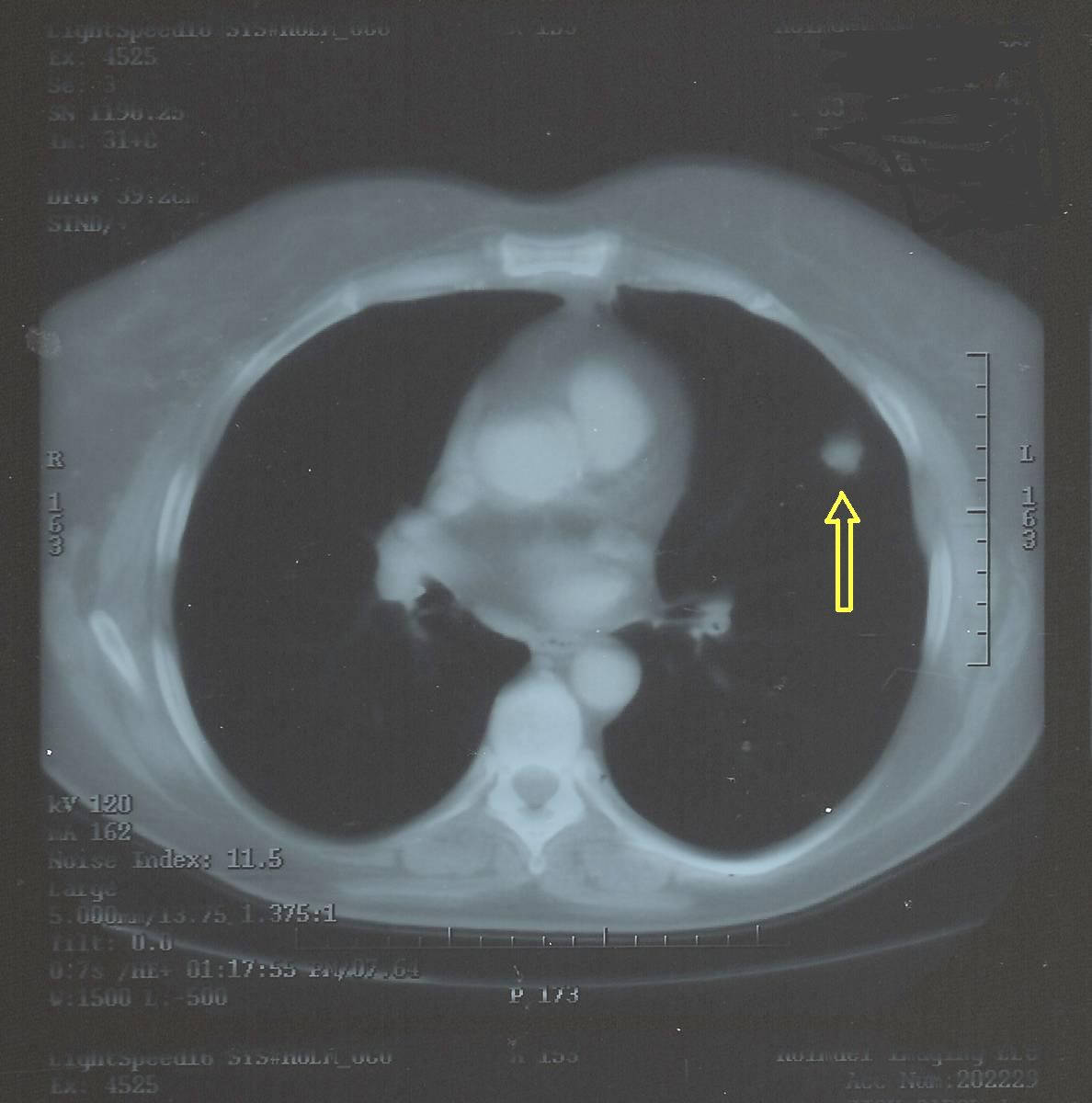
Lung Nodule Found on CT: Should You Worry? (Fleischner Guide)
Most incidental lung nodules are benign. Size, density, and your risk profile — via the Fleischner Society rules — decide whether to watch, scan, or biopsy.
 Lab Interpretation
Vitamin D Deficiency: When Low Numbers Actually Matter
A "low" vitamin D result is not always a real deficiency, and not every low result needs treatment. Here is how clinicians actually decide.
 Body Measurements
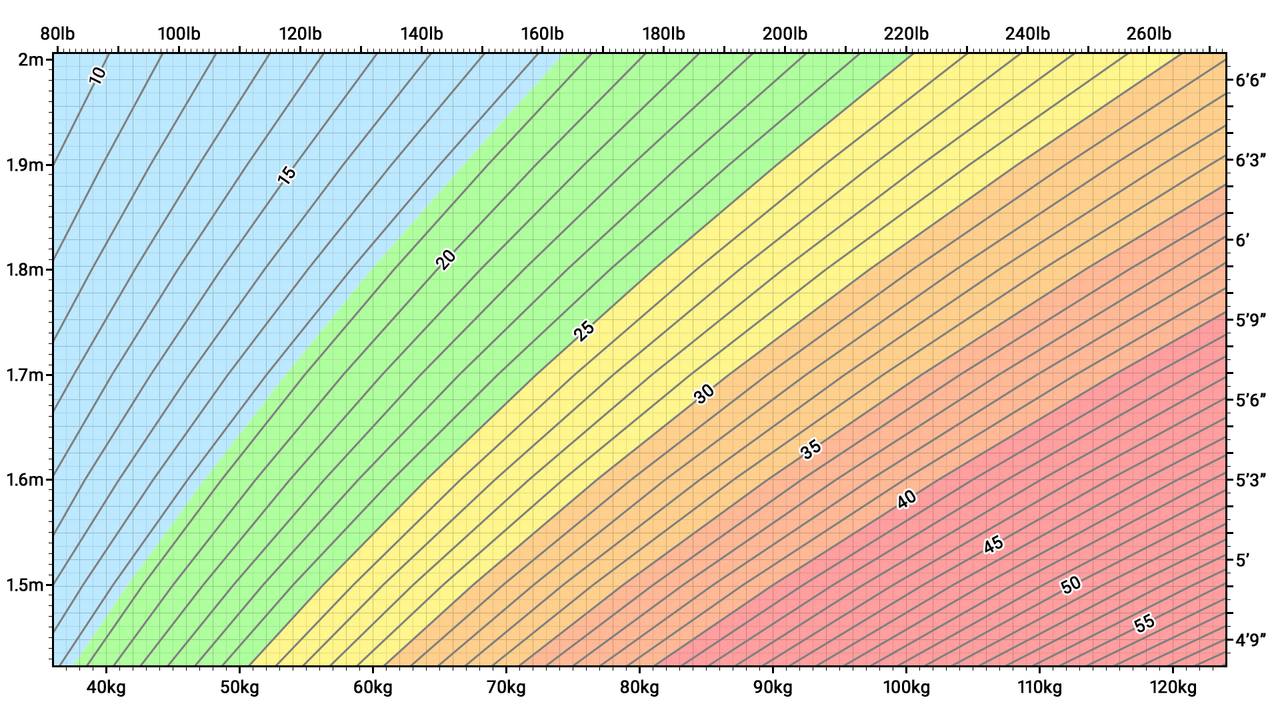
Understanding BMI in 2026: Beyond the Single Number
BMI is a starting point, not a verdict. Here is how to interpret it with body fat %, waist-to-height and lifestyle context.