Prolactin Blood Test: Hyperprolactinaemia, Macroprolactin and Prolactinoma Explained
Prolactin is easily raised by stress, drugs, or macroprolactin. Learn when a raised value is truly pathological.
Normal prolactin is < 500 mIU/L (< 25 ng/mL) in non-pregnant women and < 350 mIU/L (< 20 ng/mL) in men. Mild elevations are usually drug-induced, stress, or macroprolactin. Prolactin > 5000 mIU/L strongly suggests macroprolactinoma; > 1000 warrants pituitary MRI.
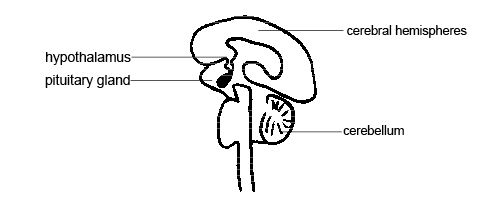
Prolactin is secreted by anterior pituitary lactotrophs under inhibitory control by dopamine. Hyperprolactinaemia causes galactorrhoea, amenorrhoea, infertility, low libido and (in men) erectile dysfunction. The Endocrine Society 2011 guideline (updated 2024 in ESE 2023) recommends: on finding raised prolactin, always screen for macroprolactin (a biologically inactive high-molecular-weight complex that gives spuriously high readings — up to 25% of "raised" prolactin cases). Second, check TSH (primary hypothyroidism raises TRH which raises prolactin). Third, review medications: antipsychotics (especially risperidone, paliperidone), metoclopramide, domperidone, some antidepressants. Physiological causes: pregnancy, lactation, nipple stimulation, stress, exercise, sleep. Pituitary imaging (MRI) is indicated when prolactin is persistently raised without another cause, or when > 1000 mIU/L. Prolactinomas are treated with dopamine agonists (cabergoline first-line) — surgery is reserved for cabergoline-resistant macroadenomas or visual failure.
- Normal (women)
- < 500 mIU/L (< 25 ng/mL)
- Normal (men)
- < 350 mIU/L (< 20 ng/mL)
- First check
- Macroprolactin + TSH + drug review
- MRI threshold
- > 1000 mIU/L unexplained
- Treatment
- Cabergoline first-line
Prolactin levels + interpretation
| Prolactin | Typical cause |
|---|---|
| < 1000 mIU/L | Drugs, stress, macroprolactin, hypothyroidism |
| 1000 – 5000 mIU/L | Microprolactinoma, drugs, stalk effect |
| > 5000 mIU/L | Macroprolactinoma likely |
| > 10,000 mIU/L | Almost certainly macroprolactinoma |
Drug causes to exclude
Antipsychotics: risperidone, paliperidone, first-generation antipsychotics.
Antiemetics: metoclopramide, domperidone, prochlorperazine.
Antidepressants: SSRIs (occasionally), tricyclics.
Opioids, verapamil, oestrogens.
- Raised prolactin + visual field defect or headache — urgent pituitary MRI.
- Amenorrhoea + galactorrhoea + prolactin > 1000 — endocrine referral.
- New medication started with rapid prolactin rise + symptoms — review drug.
Raised prolactin workup
- 1Repeat with macroprolactin?Excludes false-positive in 25%.
- 2TSH normal?Rule out primary hypothyroidism.
- 3Drug cause?Antipsychotic, antiemetic, opioid review.
- 4Persistent unexplained > 1000?Pituitary MRI.
Related questions people ask
Frequently asked questions
- Always exclude macroprolactin and drug causes first.
- Check TSH — hypothyroidism raises prolactin.
- Prolactin > 5000 = macroprolactinoma until proven otherwise.
- Cabergoline is first-line treatment.
- MRI when > 1000 unexplained.
References
2 sources- Endocrine SocietyDiagnosis and Treatment of Hyperprolactinemia
Clinical practice guideline.
academic.oup.com
- ESEProlactinoma Guideline (2023)
European Society of Endocrinology.
academic.oup.com
Evidence Snapshot
This snapshot shows verified evidence records matched to this article. It is not a diagnosis or personal medical advice.
Because prolactin levels change through the day, guidance for a prolactin blood test recommends scheduling the blood sample about three to four hours after waking to improve accuracy.
Limitation. Individual daily rhythms and sleep patterns vary, so the standardised sampling window is a guide rather than a fixed rule for every person.
Related articles
 Laboratory Tests
TSH Test: Normal Range, High, Low & What Your Result Actually Means
TSH is the single most important thyroid number. Understand normal ranges by age and pregnancy, what a high or low value really tells you, and the two follow-up tests that clinch the diagnosis.
 Laboratory Tests
HbA1c Test: Normal Range, Prediabetic, Diabetic Cut-offs & How to Lower It
HbA1c reflects your average blood sugar over ~3 months. Understand every threshold — normal, prediabetes, diabetes — and the realistic actions that move the number.
 Laboratory Tests
LDL Cholesterol: Optimal Numbers, High Numbers, and How to Read Yours
LDL is the "bad" cholesterol only if you leave the story there. Understand optimal targets by risk group, the ApoB perspective, and the interventions that actually shift the number.