Amylase and Lipase: How to Read the Pancreatitis Blood Test
Lipase above 3× the upper reference limit with typical pain diagnoses pancreatitis. Learn how the two enzymes differ, why lipase is now preferred, and what causes false positives.
Acute pancreatitis diagnosis (Atlanta 2012) requires TWO of three: (1) typical upper abdominal pain radiating to the back, (2) lipase or amylase ≥ 3× the upper reference limit, (3) imaging findings. Lipase is preferred because it is more specific and stays raised longer than amylase. A single high enzyme without pain does not diagnose pancreatitis.
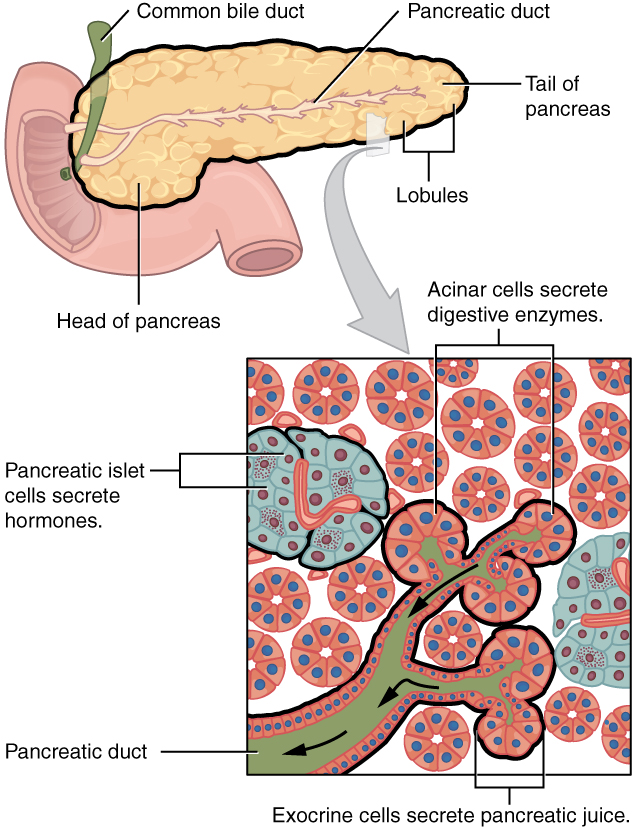
Amylase and lipase are pancreatic exocrine enzymes released into the blood during pancreatic injury. Amylase peaks at 12 hours and normalises within 3–5 days; lipase peaks at 24 hours and stays elevated 8–14 days — making it more useful when patients present late. Non-pancreatic elevation: amylase can rise in salivary gland disease (mumps, sialolithiasis), bowel perforation, ectopic pregnancy and macroamylasaemia; lipase can rise in intestinal ischaemia, small bowel obstruction, renal failure and DKA. A lipase between 1× and 3× upper limit does NOT diagnose pancreatitis on its own — it needs pain plus imaging.
- Diagnostic threshold
- ≥ 3× upper reference limit
- Preferred enzyme
- Lipase (more specific, longer window)
- Amylase peak / duration
- 12 h / 3–5 days
- Lipase peak / duration
- 24 h / 8–14 days
- Non-pancreatic amylase
- Salivary, bowel perforation, macroamylasaemia
Why lipase overtook amylase
Amylase has been available for 100 years but is produced by both pancreas and salivary glands, so it is not specific to pancreatic disease. Lipase is nearly pancreas-exclusive, and its longer elevation makes it detectable in patients who present days after the pain started. Modern guidelines (AGA, ACG, IAP/APA) recommend lipase as the single first-line enzyme; amylase is now optional.
Amylase vs lipase feature comparison
| Feature | Amylase | Lipase |
|---|---|---|
| Peak | 12 hours | 24 hours |
| Duration of elevation | 3–5 days | 8–14 days |
| Non-pancreatic sources | Salivary, ovaries, lung | Rare non-pancreatic |
| Sensitivity for pancreatitis | ~80–90% | ~90–95% |
| Specificity | Lower | Higher |
| Modern recommendation | Optional | First-line |
The 3× rule and its limits
Lipase (or amylase) ≥ 3× upper reference limit within 48 hours of pain onset supports pancreatitis when the clinical picture fits. Values between 1–3× are non-specific — they can reflect any of the non-pancreatic causes above. Values > 3× without pain also do NOT diagnose pancreatitis — check for macroamylasaemia (amylase bound to immunoglobulins, cleared slowly) or non-pancreatic causes.
Some patients with acute pancreatitis (especially chronic pancreatitis on a background of destroyed acinar cells, or presenting > 72 hours after onset) have normal or only mildly elevated enzymes — imaging (contrast-enhanced CT after 72 hours if diagnosis unclear) is decisive.
Non-pancreatic causes of raised enzymes
Amylase: mumps, salivary gland stones, bulimia, bowel perforation, ectopic pregnancy, macroamylasaemia (persistently high amylase with no pain — benign; confirm with amylase-to-creatinine clearance ratio).
Lipase: renal impairment (eGFR < 60 modestly raises both), diabetic ketoacidosis, mesenteric ischaemia, small bowel obstruction, drug-induced (thiazides, valproate, GLP-1 agonists), macrolipasaemia (rare).
- Severe upper abdominal pain radiating to the back with lipase ≥ 3× upper limit.
- Pancreatitis + hypotension, low urine output, respiratory distress — severe pancreatitis with organ failure.
- Pancreatitis + haematemesis or melaena — bleeding pseudocyst or coexisting ulcer.
- Very high triglycerides (> 1000 mg/dL) with abdominal pain — triglyceride-induced pancreatitis.
Interpreting a high lipase or amylase
- 1Typical upper abdominal pain + lipase ≥ 3× upper limit?Acute pancreatitis. Identify cause (gallstones, alcohol, triglycerides, drug, autoimmune). Admit for supportive care.
- 2High lipase but no pain?Look for renal impairment, DKA, bowel obstruction, macroamylasaemia. Consider imaging.
- 3Pancreatitis without a clear cause?Check gallbladder US, triglycerides, calcium, IgG4, alcohol history, medication review.
- 4Pancreatitis symptoms but normal enzymes > 72 hours after onset?CT with contrast is decisive — enzymes may have normalised.
Related questions people ask
- What are the causes of pancreatitis?
- Why is lipase preferred over amylase?
- Does kidney disease raise lipase?
- What triglyceride level causes pancreatitis?
- What does high ALT/AST mean in pancreatitis?
- What is macroamylasaemia?
- Does GLP-1 agonist raise lipase?
Frequently asked questions
- Lipase or amylase ≥ 3× upper limit + typical pain diagnoses pancreatitis.
- Lipase is preferred — more specific and lasts longer.
- Mildly high enzymes without pain are usually non-pancreatic.
- Late presentation may have normal enzymes — imaging matters.
- Common causes: gallstones, alcohol, high triglycerides, drugs.
- Renal impairment and DKA raise lipase without pancreatitis.
References
3 sources- ACGGuidelines on Acute Pancreatitis
US ACG diagnostic thresholds.
gi.org
- IAP/APAEvidence-based Guidelines for Acute Pancreatitis
International pancreatitis consensus.
pancreatology-journal.com
- NICE NG104Pancreatitis
UK pancreatitis pathway.
nice.org.uk
Evidence Snapshot
This snapshot shows verified evidence records matched to this article. It is not a diagnosis or personal medical advice.
Serum amylase can be raised by conditions other than acute pancreatitis, including salivary gland disease, some intra-abdominal processes and impaired renal clearance.
Limitation. Amylase alone cannot distinguish between pancreatic and non-pancreatic causes of elevation.
Amylase is a digestive enzyme produced mainly by the pancreas and the salivary glands and can also be released from other tissues.
Limitation. A total serum amylase does not identify which tissue is contributing to an elevation.
Lipase is a digestive enzyme released primarily by the pancreas that acts on dietary triglycerides in the small intestine.
Limitation. A single lipase value does not identify the underlying cause of an abnormal result.
Related articles
 Laboratory Tests
TSH Test: Normal Range, High, Low & What Your Result Actually Means
TSH is the single most important thyroid number. Understand normal ranges by age and pregnancy, what a high or low value really tells you, and the two follow-up tests that clinch the diagnosis.
 Laboratory Tests
HbA1c Test: Normal Range, Prediabetic, Diabetic Cut-offs & How to Lower It
HbA1c reflects your average blood sugar over ~3 months. Understand every threshold — normal, prediabetes, diabetes — and the realistic actions that move the number.
 Laboratory Tests
LDL Cholesterol: Optimal Numbers, High Numbers, and How to Read Yours
LDL is the "bad" cholesterol only if you leave the story there. Understand optimal targets by risk group, the ApoB perspective, and the interventions that actually shift the number.