BNP and NT-proBNP: How to Read the Heart-Failure Blood Test
Natriuretic peptides tell you whether breathlessness is coming from the heart. Learn the cut-offs that rule heart failure in or out and what non-cardiac conditions push the number up.
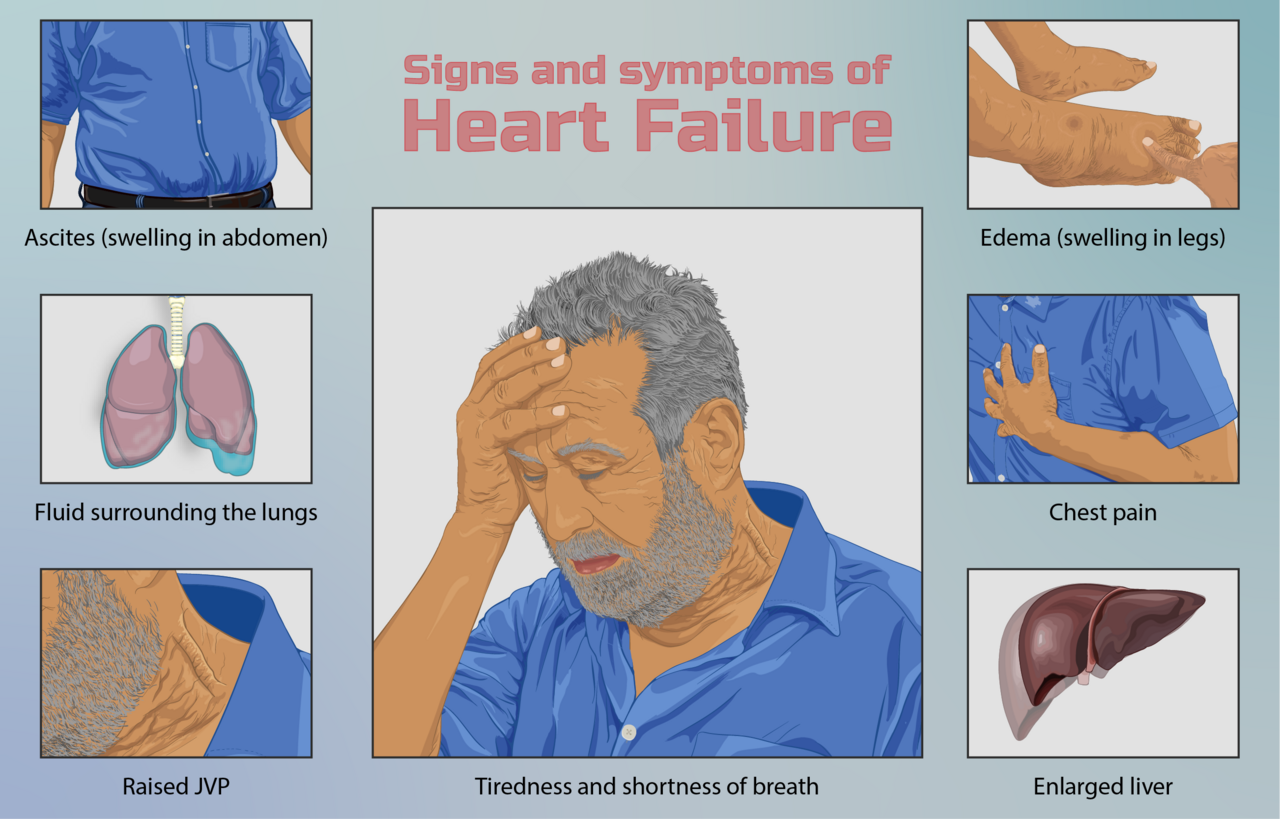
NT-proBNP below 125 pg/mL in a stable patient effectively rules out chronic heart failure. In acute breathlessness, NT-proBNP below 300 pg/mL is a strong rule-out; above 450 (< 50 y), 900 (50–75 y) or 1800 (> 75 y) supports the diagnosis. BNP < 100 pg/mL rules out acute HF; > 400 supports it. Kidney disease, atrial fibrillation and age all push the number up.
BNP and NT-proBNP are released by cardiac ventricles in response to stretch (volume overload). NT-proBNP is more stable and preferred in most European labs; BNP is common in the US. Age-adjusted acute HF rule-in cut-offs for NT-proBNP: 450 (< 50 y), 900 (50–75), 1800 (> 75). Universal rule-out < 300. Chronic outpatient rule-out < 125. AF, PE, kidney disease (especially eGFR < 60), acute coronary syndrome, sepsis and pulmonary hypertension all raise the value; obesity lowers it (BMI > 35 halves BNP). ARNI (sacubitril-valsartan) raises BNP but lowers NT-proBNP — use NT-proBNP for monitoring on ARNI.
- Chronic HF rule-out (NT-proBNP)
- < 125 pg/mL
- Acute HF universal rule-out (NT-proBNP)
- < 300 pg/mL
- Acute HF rule-in age 50–75
- > 900 pg/mL
- BNP rule-out (acute)
- < 100 pg/mL
- Confounders
- Age, kidney disease, AF, obesity (lowers)
What each peptide does and how they differ
When the ventricular wall stretches, cardiomyocytes cleave proBNP into biologically active BNP (which acts to lower blood pressure and natriurese) and the inactive N-terminal fragment NT-proBNP. Both circulate and can be measured. NT-proBNP has a longer half-life (60–120 min) than BNP (~20 min) and is more stable in blood samples, making it the preferred assay for outpatient testing in Europe. BNP remains common in North American emergency departments.
Because sacubitril inhibits neprilysin (the enzyme that clears BNP), patients on sacubitril-valsartan (Entresto) show artificially raised BNP without a corresponding rise in NT-proBNP — always use NT-proBNP for monitoring on ARNI therapy.
NT-proBNP acute HF diagnostic thresholds (age-adjusted)
| Age | Rule-out | Rule-in |
|---|---|---|
| Any age | < 300 pg/mL | — |
| < 50 y | — | > 450 pg/mL |
| 50 – 75 y | — | > 900 pg/mL |
| > 75 y | — | > 1800 pg/mL |
What raises the number beyond heart failure
Atrial fibrillation (AF) — chronic AF alone can double the resting NT-proBNP. Kidney disease — eGFR < 60 progressively raises baseline levels. Pulmonary embolism raises right-ventricular strain and pushes BNP up. Acute coronary syndrome, sepsis, chemotherapy-related cardiotoxicity and severe pulmonary hypertension all raise natriuretic peptides. Obesity (BMI > 35) LOWERS BNP — HF can be missed in obese patients if you use the standard cut-offs.
How to use the number in acute breathlessness
A patient presents to hospital with breathlessness. Below 300 pg/mL NT-proBNP effectively rules out acute HF as the cause — look for pneumonia, PE, exacerbated COPD/asthma. Between 300 and the age-specific rule-in threshold is a grey zone — echocardiogram is decisive. Above the rule-in threshold, HF is likely — investigate the type (preserved vs reduced EF), find the precipitant (infection, arrhythmia, ischaemia, medication non-adherence, dietary indiscretion), and start decongestion.
- NT-proBNP > 2000 with new breathlessness — urgent echocardiogram and specialist review.
- Any raised natriuretic peptide with chest pain — investigate acute coronary syndrome (troponin, ECG).
- Rapid rise in NT-proBNP on chemotherapy — cardiotoxicity workup.
- Post-acute-MI NT-proBNP > 900 — increased mortality risk, tighter follow-up.
NT-proBNP decision tree in breathlessness
- 1Acute breathlessness, NT-proBNP < 300?HF is unlikely — look for another cause (pneumonia, PE, COPD, anaemia).
- 2Age-adjusted rule-in threshold exceeded?HF is likely. Echocardiogram, treat precipitant, start decongestion.
- 3Between rule-out and rule-in?Echocardiogram is decisive. Consider AF, kidney disease, obesity confounders.
- 4Chronic stable patient, NT-proBNP < 125?Chronic HF unlikely; investigate other causes of symptoms.
- 5On sacubitril-valsartan?Use NT-proBNP (not BNP) for monitoring.
Related questions people ask
- What is the difference between BNP and NT-proBNP?
- Does AF raise NT-proBNP?
- Does obesity affect BNP?
- Why is BNP high in kidney disease?
- How does BNP relate to troponin?
- What is sacubitril-valsartan?
- Does high blood pressure raise BNP?
Frequently asked questions
- NT-proBNP < 300 rules out acute HF in most patients.
- Age-adjusted rule-in cut-offs: 450 (< 50), 900 (50–75), 1800 (> 75).
- AF, CKD, PE, sepsis and ACS all raise natriuretic peptides.
- Obesity LOWERS the value — do not miss HF in obese patients.
- Use NT-proBNP (not BNP) for monitoring on sacubitril-valsartan.
- Below 125 pg/mL in a stable outpatient rules out chronic HF.
References
3 sources- ESC2021 Guidelines for the Diagnosis and Treatment of Acute and Chronic Heart Failure
European HF diagnostic thresholds.
academic.oup.com
- ACC/AHA/HFSA2022 Guideline for the Management of Heart Failure
US HF guideline.
ahajournals.org
- NICE NG106Chronic heart failure in adults
UK HF diagnostic pathway.
nice.org.uk
Related articles
 Laboratory Tests
TSH Test: Normal Range, High, Low & What Your Result Actually Means
TSH is the single most important thyroid number. Understand normal ranges by age and pregnancy, what a high or low value really tells you, and the two follow-up tests that clinch the diagnosis.
 Laboratory Tests
HbA1c Test: Normal Range, Prediabetic, Diabetic Cut-offs & How to Lower It
HbA1c reflects your average blood sugar over ~3 months. Understand every threshold — normal, prediabetes, diabetes — and the realistic actions that move the number.
 Laboratory Tests
LDL Cholesterol: Optimal Numbers, High Numbers, and How to Read Yours
LDL is the "bad" cholesterol only if you leave the story there. Understand optimal targets by risk group, the ApoB perspective, and the interventions that actually shift the number.