Fibrinogen Blood Test: Bleeding, Clotting and DIC Explained
Fibrinogen is the final substrate of the clotting cascade. Low levels cause bleeding; high levels reflect inflammation. Learn when to test and how to interpret.

Normal fibrinogen is 2.0–4.0 g/L (200–400 mg/dL). Fibrinogen below 1.5 g/L in bleeding patients often requires replacement. Fibrinogen is also an acute-phase reactant — it rises in inflammation, infection, pregnancy, and after surgery.
Fibrinogen is the final substrate cleaved to fibrin during clot formation. It is produced by the liver and rises acutely with inflammation. Low fibrinogen (< 1.5 g/L) in bleeding: obstetric haemorrhage, DIC, liver failure, massive transfusion. Replacement targets: > 1.5 g/L in most bleeding contexts; > 2.0 g/L in obstetric haemorrhage. Congenital afibrinogenaemia and dysfibrinogenaemia are rare. High fibrinogen reflects inflammation and correlates with cardiovascular events but is not a treatment target.
- Normal
- 2.0 – 4.0 g/L (200–400 mg/dL)
- Bleeding replacement threshold
- < 1.5 g/L (< 2.0 g/L in obstetric bleeding)
- Best method
- Clauss assay
- High fibrinogen means
- Inflammation or acute stress
Low fibrinogen — why it matters
DIC (disseminated intravascular coagulation): consumption of coagulation factors including fibrinogen; associated with sepsis, malignancy, obstetric emergencies. Diagnosis relies on falling platelets, prolonged PT, low fibrinogen, and rising D-dimer.
Postpartum haemorrhage: fibrinogen falls before other clotting factors and is the strongest predictor of severe PPH. Aim for > 2.0 g/L during active bleeding.
Liver failure: reduced synthesis; correlates with progression.
Congenital: afibrinogenaemia (rare, severe bleeding) or dysfibrinogenaemia (functionally abnormal fibrinogen).
Low vs high fibrinogen
| Fibrinogen | Likely mechanism | Action |
|---|---|---|
| < 1.0 g/L | DIC, massive PPH, congenital | Fibrinogen concentrate / cryoprecipitate |
| 1.0 – 1.5 g/L | Consumption, liver failure | Replace if bleeding |
| 2.0 – 4.0 g/L | Normal | None |
| > 4.0 g/L | Inflammation, infection, pregnancy, malignancy | Investigate underlying cause |
- Fibrinogen < 1.5 g/L with active bleeding — urgent replacement.
- Fibrinogen < 2.0 g/L in obstetric haemorrhage — replace immediately.
- Fibrinogen falling + platelets falling + PT rising — DIC.
- Persistent low fibrinogen without bleeding — investigate liver disease, dysfibrinogenaemia.
Fibrinogen workup
- 1Bleeding + fibrinogen < 1.5?Fibrinogen concentrate or cryoprecipitate. Address cause.
- 2Obstetric bleeding + fibrinogen < 2.0?Replace immediately. Aim for > 2.0 g/L.
- 3Low fibrinogen without bleeding?Consider dysfibrinogenaemia (Clauss vs antigenic mismatch), liver failure.
- 4High fibrinogen?Non-specific; reflects inflammation.
Related questions people ask
- What is DIC?
- When is fibrinogen replaced?
- Does inflammation raise fibrinogen?
- How does fibrinogen relate to INR?
- What is D-dimer?
- How does fibrinogen fit with CBC?
- What is congenital afibrinogenaemia?
Frequently asked questions
- Normal fibrinogen 2.0–4.0 g/L.
- Replace when < 1.5 g/L in active bleeding (< 2.0 in obstetric).
- DIC = falling fibrinogen + platelets + rising D-dimer + prolonged PT.
- Fibrinogen is an acute-phase reactant.
- Congenital deficiency is rare but severe.
- Clauss assay is the reference method.
References
3 sources- BSHGuidelines on Postpartum Haemorrhage
UK haematology PPH standard.
b-s-h.org.uk
- ISTHDIC Guidelines
International DIC framework.
isth.org
- NICE NG24Blood transfusion
UK transfusion guideline.
nice.org.uk
Evidence Snapshot
This snapshot shows verified evidence records matched to this article. It is not a diagnosis or personal medical advice.
The activated partial thromboplastin time (aPTT) evaluates the intrinsic and common pathways of the clotting cascade and is influenced by factors including VIII, IX, XI, XII and the common-pathway factors.
Limitation. Reagent sensitivity to specific factor deficiencies and lupus anticoagulants varies between laboratories.
D-dimer can be elevated for many reasons other than a clinically important venous thromboembolism, including recent surgery, trauma, infection, pregnancy, malignancy and increasing age.
Limitation. A raised D-dimer cannot, on its own, identify the underlying cause.
Related articles
 Laboratory Tests
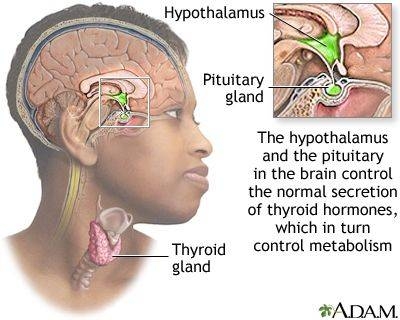
TSH Test: Normal Range, High, Low & What Your Result Actually Means
TSH is the single most important thyroid number. Understand normal ranges by age and pregnancy, what a high or low value really tells you, and the two follow-up tests that clinch the diagnosis.
 Laboratory Tests
HbA1c Test: Normal Range, Prediabetic, Diabetic Cut-offs & How to Lower It
HbA1c reflects your average blood sugar over ~3 months. Understand every threshold — normal, prediabetes, diabetes — and the realistic actions that move the number.
 Laboratory Tests
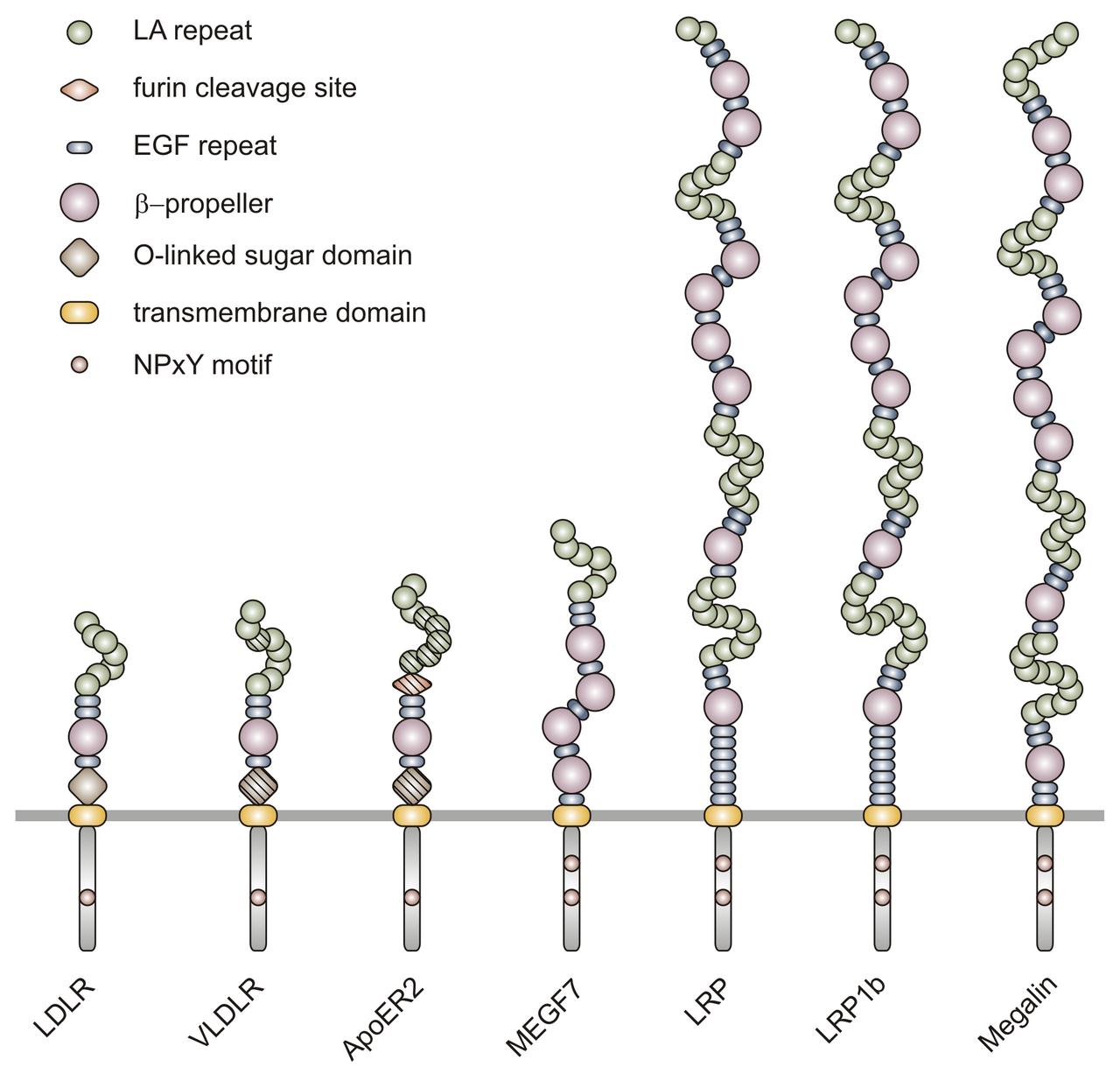
LDL Cholesterol: Optimal Numbers, High Numbers, and How to Read Yours
LDL is the "bad" cholesterol only if you leave the story there. Understand optimal targets by risk group, the ApoB perspective, and the interventions that actually shift the number.