Women’s Health · Cycle awareness

Menstrual Cycle & Ovulation Estimator Calculator

Estimate your next period, ovulation day, and fertile window.

Your details

First day of your last period

This is a cycle-based estimate — not a diagnostic test and not a contraceptive method. Individual cycles vary; use it as a rough guide.

Your cycle length
28days
< 21 days≥ 36 days
Typical adult cycle range

A regular 21-35 day cycle sits within the ACOG/FIGO adult reference range. Cycle length is one of several markers of a healthy ovulatory rhythm.

Fertile window (6 days)
Wed, 26 Aug 2026 — Mon, 31 Aug 2026
ACOG: 5 days before ovulation + ovulation day.
Estimated ovulation
Mon, 31 Aug 2026
in 13 days
Estimated next period
Mon, 14 Sep 2026
in 27 days
The following cycle
Ovulation Mon, 28 Sep 2026 · Period Mon, 12 Oct 2026

Cycle-based estimates. Not a diagnostic test. Not a contraceptive method. Individual variation of ±2-3 days is common even in regular cycles.

How the estimator works

Given your last menstrual period (LMP) and your average cycle length, we estimate ovulation ≈ LMP + (cycle_length − 14) days. The luteal phase (ovulation → next period) is remarkably stable at 12-16 days across most people, so the variable part of the cycle is the follicular phase before ovulation.

The 6-day fertile window

Sperm can survive in the female reproductive tract for up to 5 days. Combined with the day of ovulation, this creates a 6-day window (5 days before + ovulation day) during which conception is possible. Peak fertility is on the day before and the day of ovulation — endorsed by ACOG 2017.

Why this is not a contraceptive method

Cycle-based fertility awareness has a first-year unintended-pregnancy rate around 12-24% with perfect use and much higher with typical use. Reliable contraception (condoms, IUD, pill, implant, etc.) is a different conversation with a clinician.

When cycles are irregular

If cycles vary by more than ~7 days month-to-month, an average is a rough guide only. Ovulation prediction kits (LH strips), basal body temperature charting, or fertility monitoring apps that use multiple signals are more accurate for irregular cycles.

Limitations & caveats

  • Assumes a luteal-phase length of 14 days — this varies 12-16 days in most people.
  • Requires a reasonably regular cycle. Not accurate for cycles varying by more than 7 days month-to-month.
  • Not a contraceptive method — typical use failure rate is high.
  • Not appropriate during breastfeeding, perimenopause, or within 3 months of stopping hormonal contraception.
FAQ

Frequently asked questions

Related tools

Keep exploring

Read more

Read up on the science

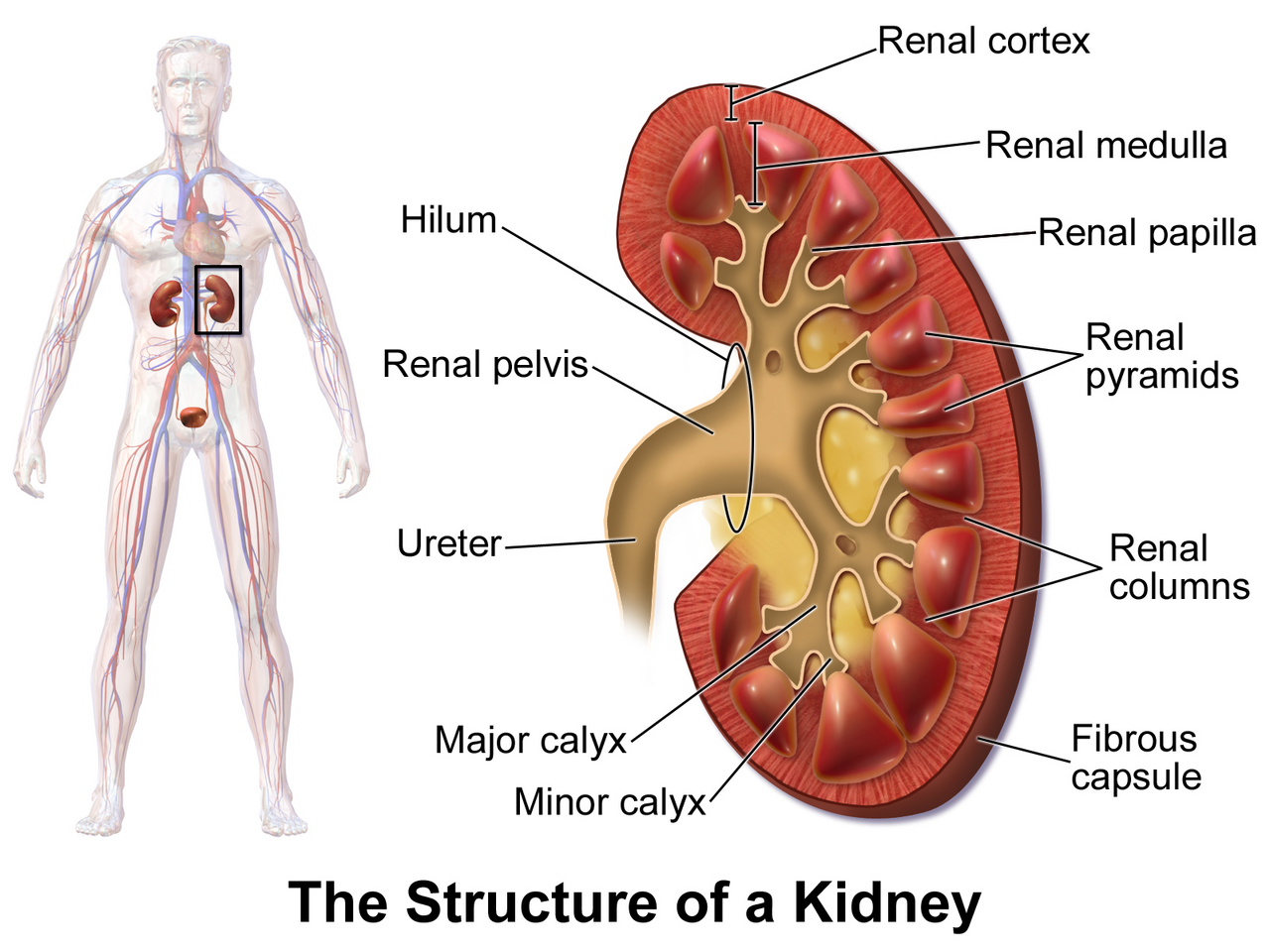
Kidney anatomy and nephron
Kidney Function & Electrolytes
Jul 20, 2026 9 min read

Creatinine and eGFR: What These Kidney Function Results Mean Together

Understand what creatinine and estimated GFR (eGFR) measure, why eGFR is a calculated estimate rather than a direct measurement, and why one result cannot diagnose chronic kidney disease on its own.

By Elements84 Editorial Team
Read
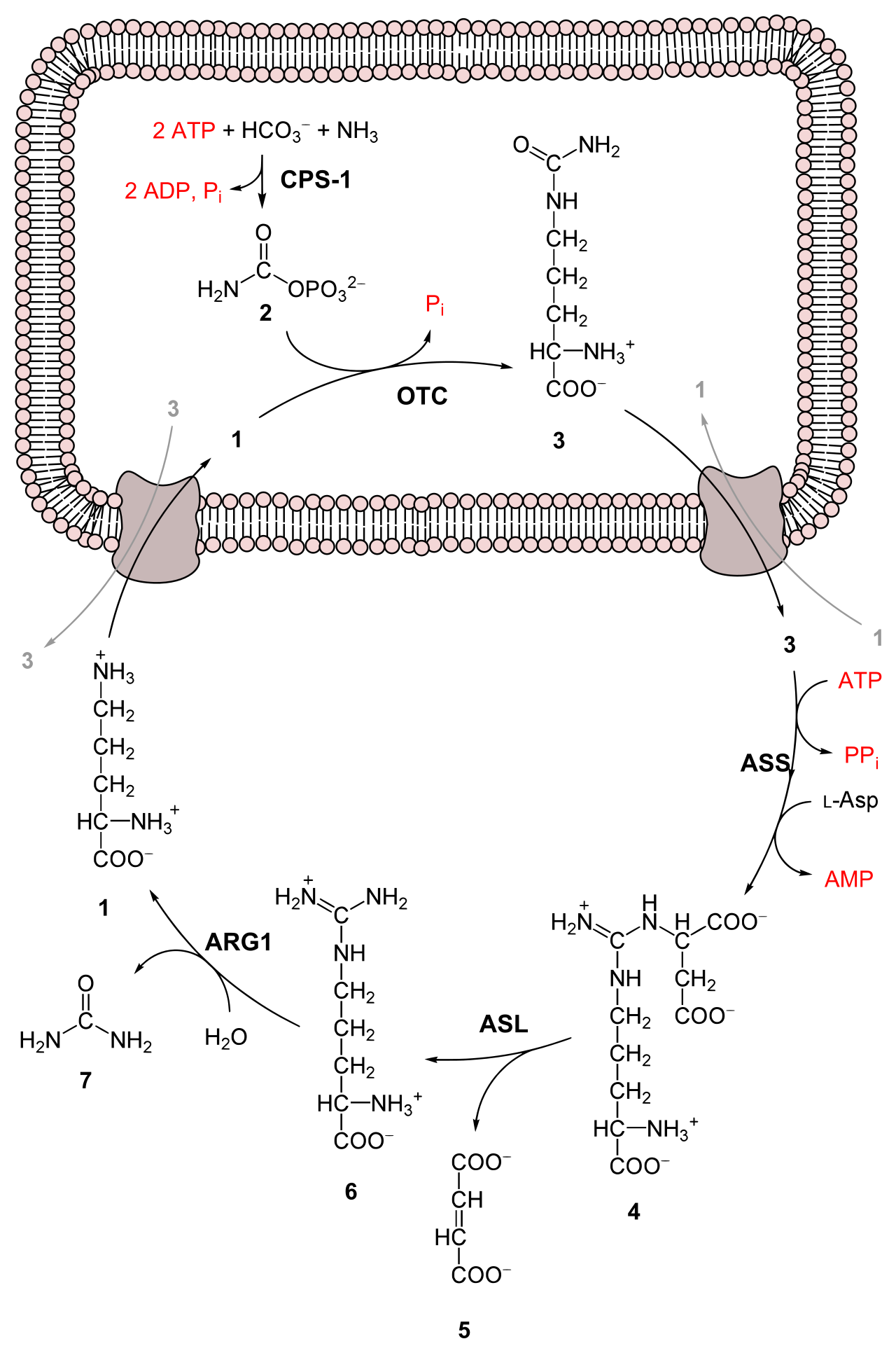
Urea cycle in nitrogen excretion
Kidney Function & Electrolytes
Jul 20, 2026 8 min read

BUN Blood Test Explained: What High and Low Results Can Mean

Learn what blood urea nitrogen (BUN) measures, why it can rise for reasons unrelated to kidney filtration, and why the BUN-to-creatinine ratio adds context a single BUN value can't.

By Elements84 Editorial Team
Read
Urine test strip for albumin and other markers
Kidney Function & Electrolytes
Jul 20, 2026 9 min read

Urine Albumin-to-Creatinine Ratio: An Early Kidney-Damage Test Explained

Learn why urine albumin-to-creatinine ratio (uACR) can detect kidney damage before eGFR falls, how the A1/A2/A3 categories work, and what can cause a falsely elevated result.

By Elements84 Editorial Team
Read
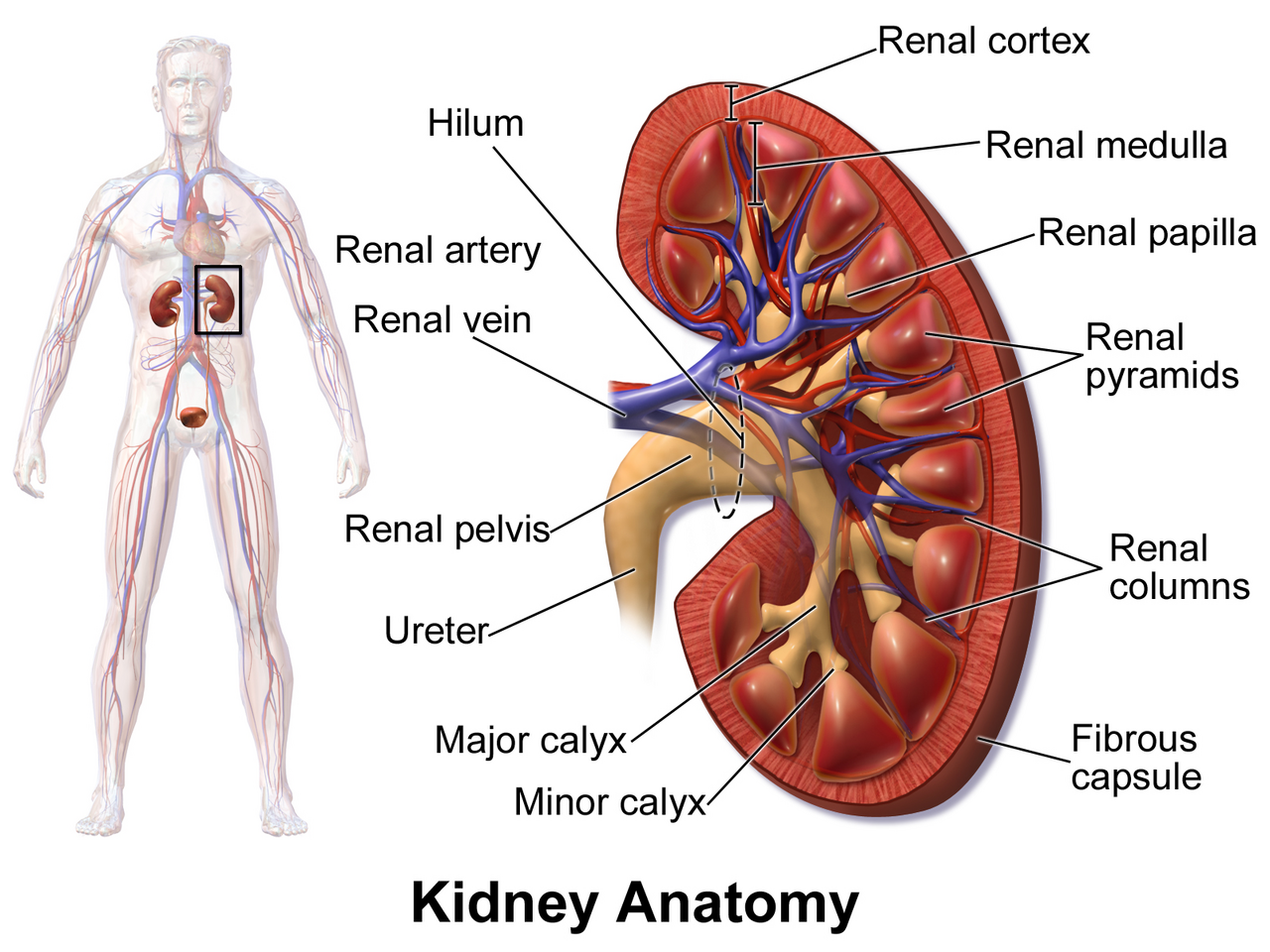
Kidney nephron structure
Kidney Function & Electrolytes
Jul 20, 2026 8 min read

Cystatin C Blood Test: When It Adds Useful Information Beyond Creatinine

Learn what cystatin C measures, why it's less affected by muscle mass than creatinine, and when guidelines recommend using it to confirm a borderline eGFR result.

By Elements84 Editorial Team
Read
Clinical Interpretation

Typical adult cycle rangeNormal

A regular 21-35 day cycle sits within the ACOG/FIGO adult reference range. Cycle length is one of several markers of a healthy ovulatory rhythm.

Common causes
  • Consistent with a regular ovulatory cycle in most adults
Lifestyle considerations
  • Track your cycle — patterns are one of the most sensitive early signals of health changes
  • Protect sleep and manage stress — both influence cycle regularity
  • Maintain iron-rich intake, especially if periods are heavy — see our Iron Deficiency Likelihood Screener
When to consult a healthcare professional

No specific action needed based on cycle length alone. Discuss any changes in flow, pain, or regularity with a clinician.

Medical Evidence

How we ground the Menstrual Cycle & Ovulation Estimator

Grade A · Clinical guidelines & meta-analysesLast reviewed Feb 12, 2026
Named clinical guidelines
  • ACOG Committee Opinion 651 — Menstruation as a Vital Sign (2015, reaffirmed 2020)
  • ACOG Committee Opinion 762 — Optimizing Natural Fertility (2017, reaffirmed 2022)
  • FIGO 2018 — Normal and abnormal uterine bleeding (FIGO AUB System 2)
  • WHO — Reproductive health indicators
References

The Evidence Foundation

Health information should show both what is known and where certainty ends.

Elements84 brings reviewed health evidence, practical decision tools and plain-English explanations together without presenting educational guidance as diagnosis or treatment.

  1. Named sources
  2. Human evidence separated from theory
  3. Limitations shown beside conclusions
  4. Educational, not diagnostic

Reviewed health evidence, practical decision tools and plain-English health education.

Educational information only. Elements84 provides educational information and decision-support tools. It is not a substitute for professional medical advice, diagnosis or treatment.

© 2026 Elements84.