Fitness · Strength training

One-Rep Max (1RM) Estimator Calculator

Epley + Brzycki 1RM prediction with NSCA %1RM training-zone loads.

Your details

Weight lifted

Estimates are most accurate at 2-10 reps. Never test a true 1RM without a spotter, adequate warm-up, and appropriate strength-training experience.

Estimated 1RM
68.8
< 4≥ 13
Strength zone

A set of 4-6 reps sits in the classic strength zone (~85-90% 1RM). This is the sweet spot for strength gains with a reasonable margin of safety — and 1RM prediction is very reliable in this range.

Both formulas side-by-side
Epley 1985
70 kg
Brzycki 1993
67.5 kg
Your set was approximately
87% of 1RM
Suggested working-set loads (from your estimated 1RM)
60% · 12-20 reps
Endurance / technique
41.5 kg
70% · 10-15 reps
Hypertrophy (lighter)
48 kg
75% · 8-12 reps
Hypertrophy
51.5 kg
80% · 6-10 reps
Hypertrophy / strength
55 kg
85% · 4-6 reps
Strength
58.5 kg
90% · 2-4 reps
Strength / power
62 kg
95% · 1-2 reps
Peak strength
65.5 kg

%1RM zones from NSCA Essentials of Strength Training (4th ed., 2016). Never test true 1RM without a spotter, adequate warm-up, and prior experience at 85% + loads.

Epley vs. Brzycki — why show both?

The Epley (1985) formula is linear in reps and slightly OVER-estimates 1RM at higher rep counts; the Brzycki (1993) formula is non-linear and tends to under-estimate at very high reps. LeSuer 1997 showed both are within ±5% of true 1RM at 2-10 reps in trained lifters — averaging them is a common, defensible approach.

What %1RM to train at

For strength: 3-5 sets of 4-6 reps at ~85% 1RM. For hypertrophy: 3-4 sets of 8-12 at ~70-75% 1RM. For muscular endurance: 2-3 sets of 15+ at < 65% 1RM. Most programmes rotate between these ranges every 4-8 weeks (block periodisation).

When NOT to test a true 1RM

True 1RM testing carries meaningful injury risk without a spotter, technique coaching at load, adequate warm-up, and prior experience at 85-95% loads. For most lifters, an estimate from a well-executed set of 3-5 reps is more useful and safer than a true attempt.

Form before load — always

A 5-rep set at moderate load with clean form gives a more reliable 1RM estimate than a heavier set with breakdown. If technique fails, the estimate is meaningless. Video review of one set per session is a cheap upgrade.

Category reference

CategoryRange
Peak strength1-3 reps
Strength4-6 reps
Hypertrophy7-12 reps
Muscular endurance13+ reps

Limitations & caveats

  • Accuracy is best at 2-10 reps; degrades beyond 12.
  • Assumes clean form on every rep — a broken set gives an unreliable estimate.
  • Different exercises give different 1RM predictions — do not extrapolate between lifts.
  • Beginners and detrained lifters may see 1RM change faster than the formulas predict.
FAQ

Frequently asked questions

Related tools

Keep exploring

Read more

Read up on the science

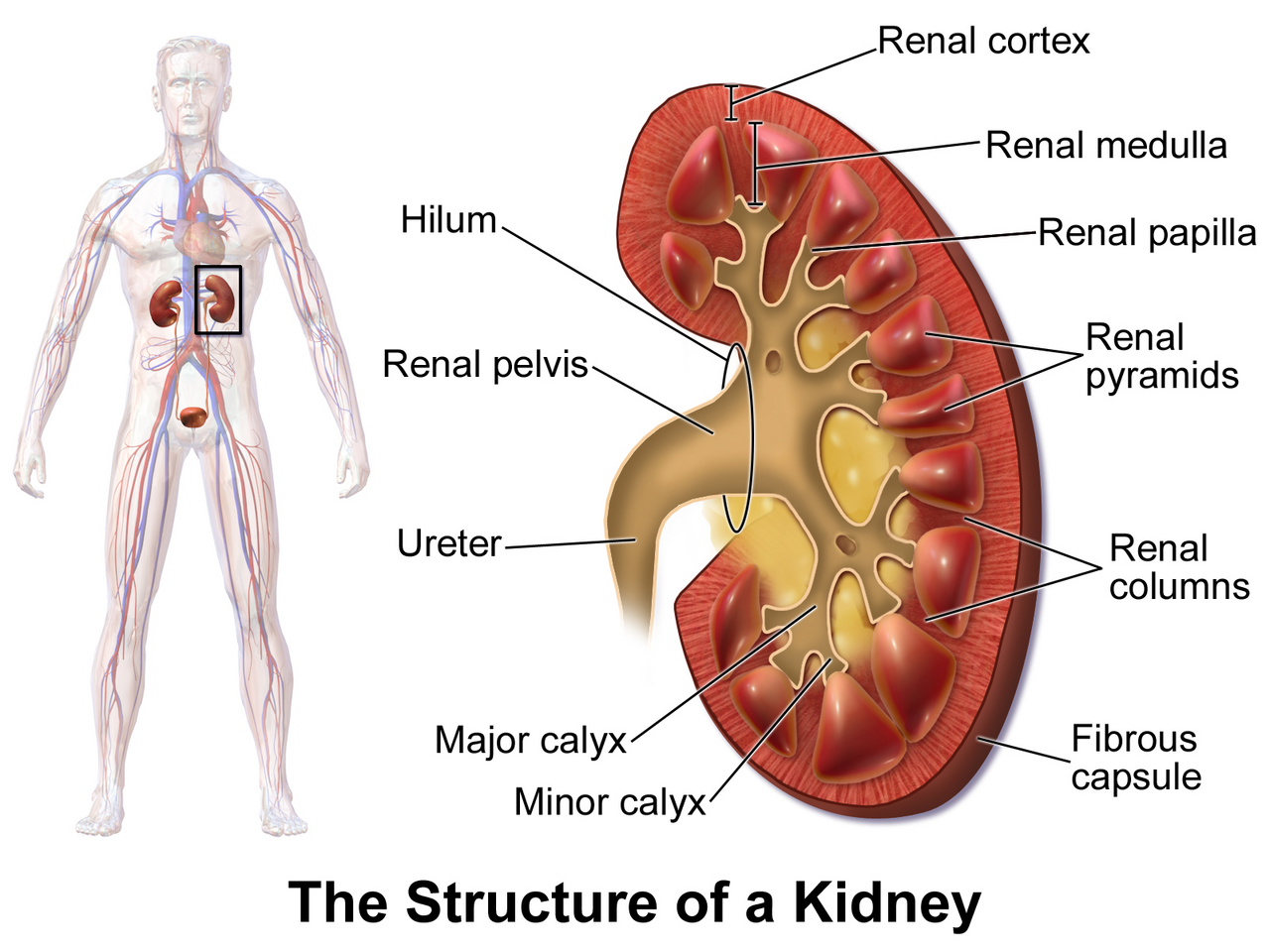
Kidney anatomy and nephron
Kidney Function & Electrolytes
Jul 20, 2026 9 min read

Creatinine and eGFR: What These Kidney Function Results Mean Together

Understand what creatinine and estimated GFR (eGFR) measure, why eGFR is a calculated estimate rather than a direct measurement, and why one result cannot diagnose chronic kidney disease on its own.

By Elements84 Editorial Team
Read
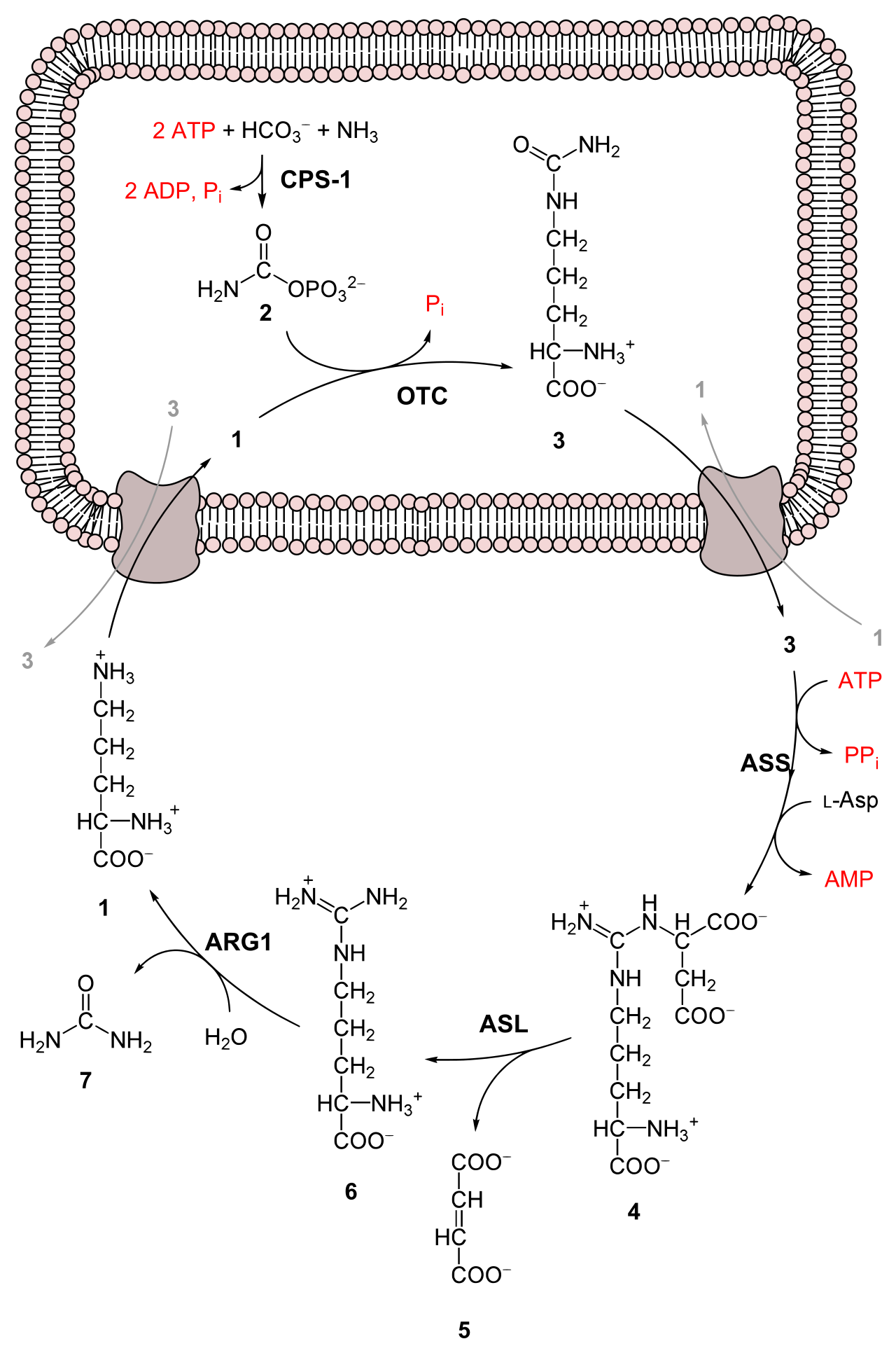
Urea cycle in nitrogen excretion
Kidney Function & Electrolytes
Jul 20, 2026 8 min read

BUN Blood Test Explained: What High and Low Results Can Mean

Learn what blood urea nitrogen (BUN) measures, why it can rise for reasons unrelated to kidney filtration, and why the BUN-to-creatinine ratio adds context a single BUN value can't.

By Elements84 Editorial Team
Read
Urine test strip for albumin and other markers
Kidney Function & Electrolytes
Jul 20, 2026 9 min read

Urine Albumin-to-Creatinine Ratio: An Early Kidney-Damage Test Explained

Learn why urine albumin-to-creatinine ratio (uACR) can detect kidney damage before eGFR falls, how the A1/A2/A3 categories work, and what can cause a falsely elevated result.

By Elements84 Editorial Team
Read
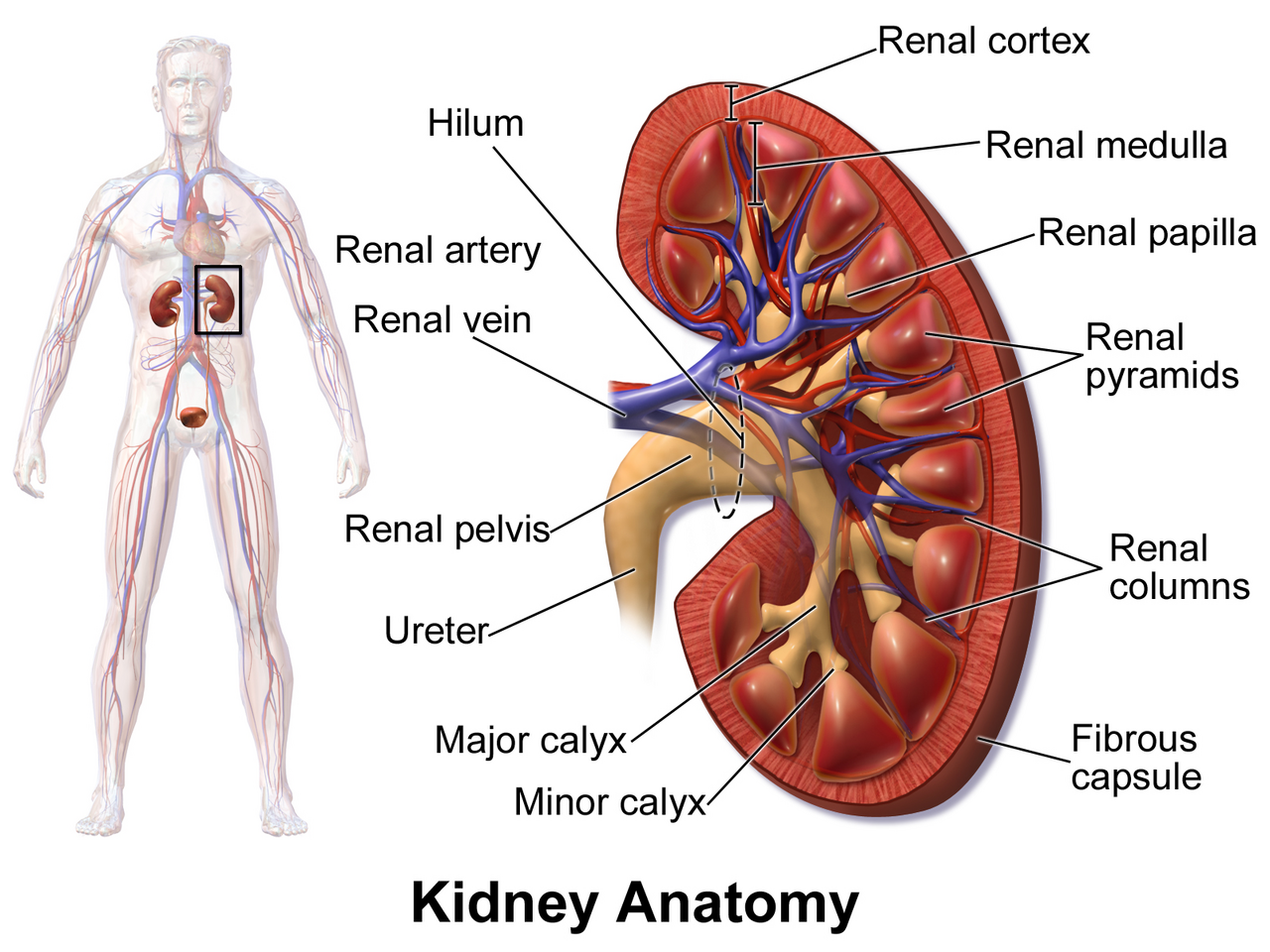
Kidney nephron structure
Kidney Function & Electrolytes
Jul 20, 2026 8 min read

Cystatin C Blood Test: When It Adds Useful Information Beyond Creatinine

Learn what cystatin C measures, why it's less affected by muscle mass than creatinine, and when guidelines recommend using it to confirm a borderline eGFR result.

By Elements84 Editorial Team
Read
Clinical Interpretation

Strength zoneNormal

A set of 4-6 reps sits in the classic strength zone (~85-90% 1RM). This is the sweet spot for strength gains with a reasonable margin of safety — and 1RM prediction is very reliable in this range.

Common causes
  • Standard strength-block programming
Lifestyle considerations
  • 3-5 sets of 4-6 at ~85% 1RM is a well-studied prescription for strength
  • Rest 3-5 min between sets
  • Track loads across weeks — small progressive overload compounds fast
When to consult a healthcare professional

No specific action based on rep range.

Medical Evidence

How we ground the One-Rep Max (1RM) Estimator

Grade A · Clinical guidelines & meta-analysesLast reviewed Feb 12, 2026
Named clinical guidelines
  • Epley B (1985) — Poundage Chart, Boyd Epley Workout, Univ. of Nebraska.
  • Brzycki M (1993) — Strength Testing, JOPERD 64(1):88-90.
  • LeSuer DA et al. (1997) — Accuracy of prediction equations for the 1RM bench press, squat, deadlift — J Strength Cond Res.
  • NSCA Essentials of Strength Training and Conditioning, 4th ed. (2016) — %1RM training zones.
References

The Evidence Foundation

Health information should show both what is known and where certainty ends.

Elements84 brings reviewed health evidence, practical decision tools and plain-English explanations together without presenting educational guidance as diagnosis or treatment.

  1. Named sources
  2. Human evidence separated from theory
  3. Limitations shown beside conclusions
  4. Educational, not diagnostic

Reviewed health evidence, practical decision tools and plain-English health education.

Educational information only. Elements84 provides educational information and decision-support tools. It is not a substitute for professional medical advice, diagnosis or treatment.

© 2026 Elements84.