Fitness · Cardiorespiratory fitness

VO₂ Max Estimator Calculator

Estimate cardiorespiratory fitness non-invasively (Uth 2004) with ACSM percentile norms.

Your details

Biological sex (reference tables)

A non-exercise estimate. A supervised graded exercise test (with gas analysis) is the gold standard for true VO₂max.

Estimated VO₂max
42.3mL/kg/min
Good

A good VO₂max is a strong marker of cardiorespiratory reserve for your age and sex. VO₂max above this level is consistently associated with lower cardiovascular mortality.

Under the hood
Estimated HRmax (Tanaka 2001)
184 bpm
Resting HR
65 bpm
HRmax ÷ HRrest
2.83
ACSM 2022 reference tier
Good

The Uth 2004 heart-rate-ratio method

The Uth 2004 non-exercise estimator uses the ratio between maximum and resting heart rate. Its physiological basis is elegant: a lower resting HR (for a given HRmax) reflects a larger stroke volume, which is one of the primary adaptations of endurance training. In its validation cohort, the formula correlated r=0.87 with laboratory VO₂max — high for a non-exercise estimator.

What VO₂max represents

VO₂max is the maximum rate at which your body can consume oxygen during exercise, expressed in mL of O₂ per kg body weight per minute. It integrates lung, heart, blood and muscle function. Population-scale studies (Blair 1989, Ross 2016) show a dose-response relationship between VO₂max and long-term all-cause mortality — one of the strongest single predictors in cardiovascular medicine.

How to improve VO₂max

Two evidence-based patterns: (1) Zone-2 aerobic base — 3-5 sessions of 45-90 minutes per week — improves stroke volume and mitochondrial density. (2) High-intensity intervals — 4-6 × 4-minute repeats at Zone 4-5, 1-2× per week — improve maximal oxygen uptake specifically. Combining both (polarised training) outperforms either alone.

How accurate is a non-exercise estimate?

Uth 2004 is a reasonable ballpark — typically within 10-15% of a laboratory value. For a precise number, a graded exercise test with gas analysis at a sports-science lab or cardio-pulmonary unit remains the gold standard.

Category reference

CategoryRange
Very poorBottom percentile band
PoorBelow average
FairAround average
GoodAbove average
ExcellentWell above average
SuperiorTop decile

Limitations & caveats

  • A non-exercise estimator — typically ± 10-15% vs. laboratory VO₂max.
  • Assumes valid HRmax (Tanaka 2001) and accurate resting HR — beta-blockers or arrhythmias break the assumption.
  • Reference norms are sex-segregated but do not capture racial/ethnic or geographic variation.
  • Not appropriate as a screening tool for cardiovascular disease.
FAQ

Frequently asked questions

Related tools

Keep exploring

Read more

Read up on the science

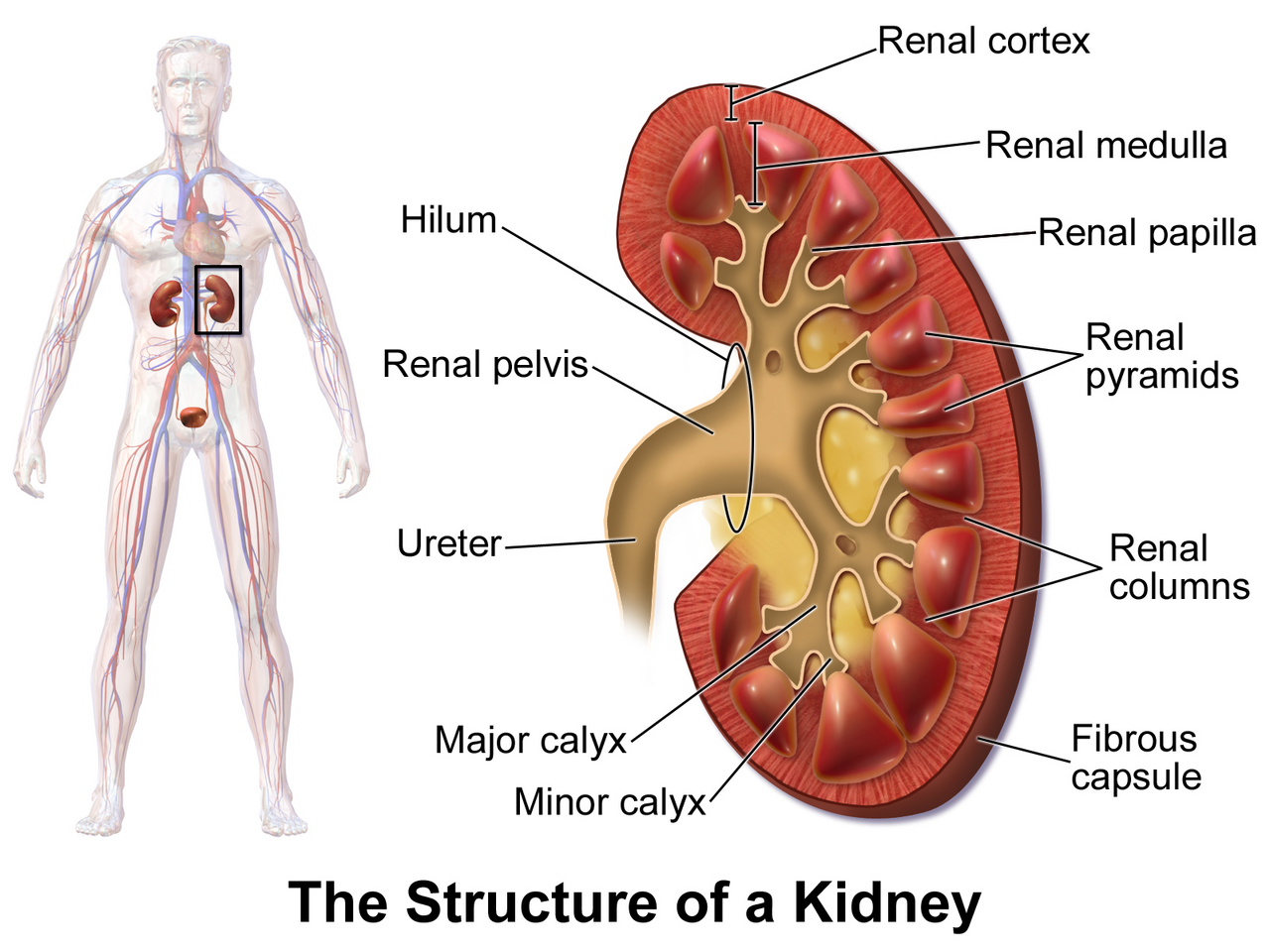
Kidney anatomy and nephron
Kidney Function & Electrolytes
Jul 20, 2026 9 min read

Creatinine and eGFR: What These Kidney Function Results Mean Together

Understand what creatinine and estimated GFR (eGFR) measure, why eGFR is a calculated estimate rather than a direct measurement, and why one result cannot diagnose chronic kidney disease on its own.

By Elements84 Editorial Team
Read
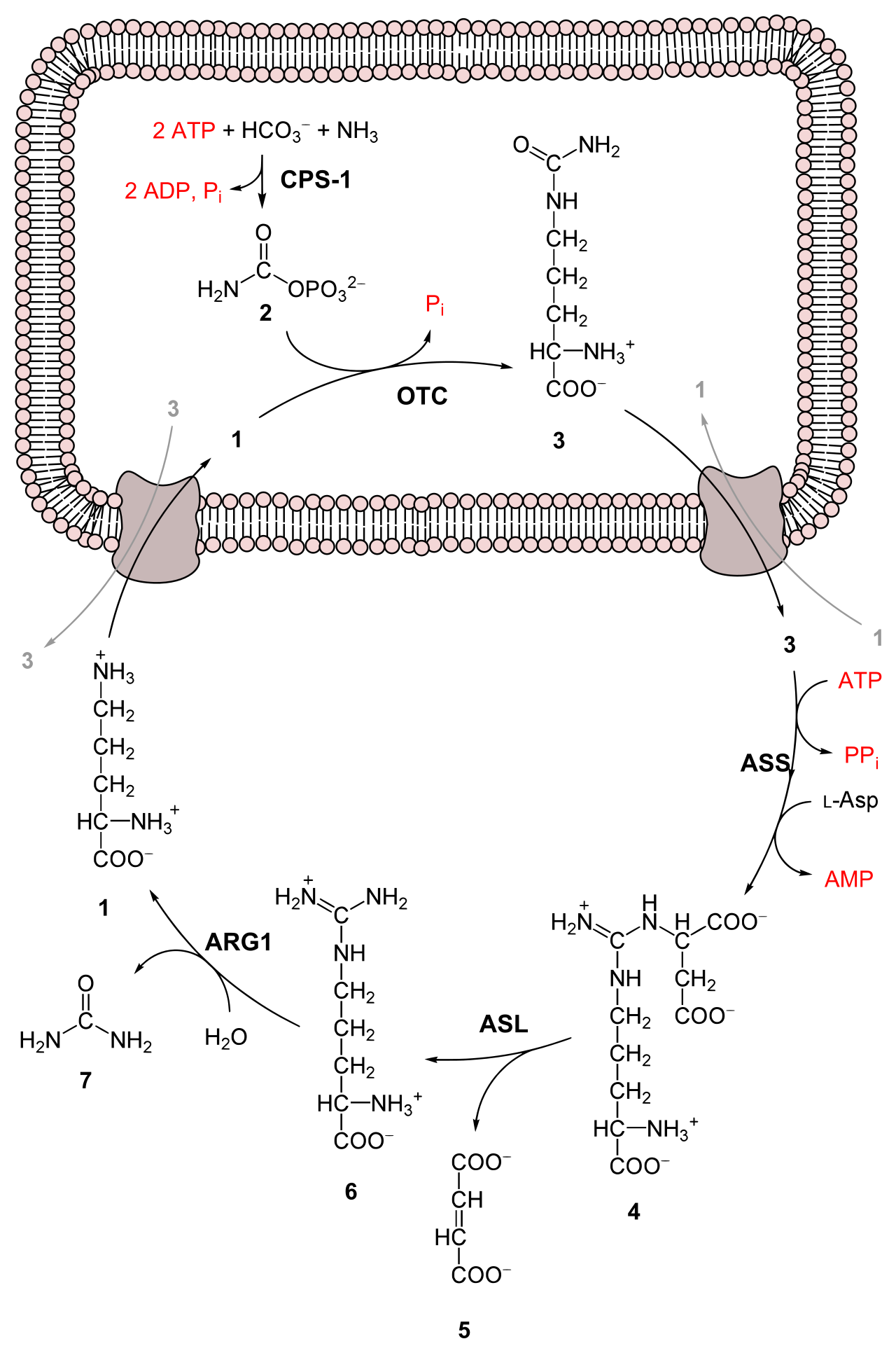
Urea cycle in nitrogen excretion
Kidney Function & Electrolytes
Jul 20, 2026 8 min read

BUN Blood Test Explained: What High and Low Results Can Mean

Learn what blood urea nitrogen (BUN) measures, why it can rise for reasons unrelated to kidney filtration, and why the BUN-to-creatinine ratio adds context a single BUN value can't.

By Elements84 Editorial Team
Read
Urine test strip for albumin and other markers
Kidney Function & Electrolytes
Jul 20, 2026 9 min read

Urine Albumin-to-Creatinine Ratio: An Early Kidney-Damage Test Explained

Learn why urine albumin-to-creatinine ratio (uACR) can detect kidney damage before eGFR falls, how the A1/A2/A3 categories work, and what can cause a falsely elevated result.

By Elements84 Editorial Team
Read
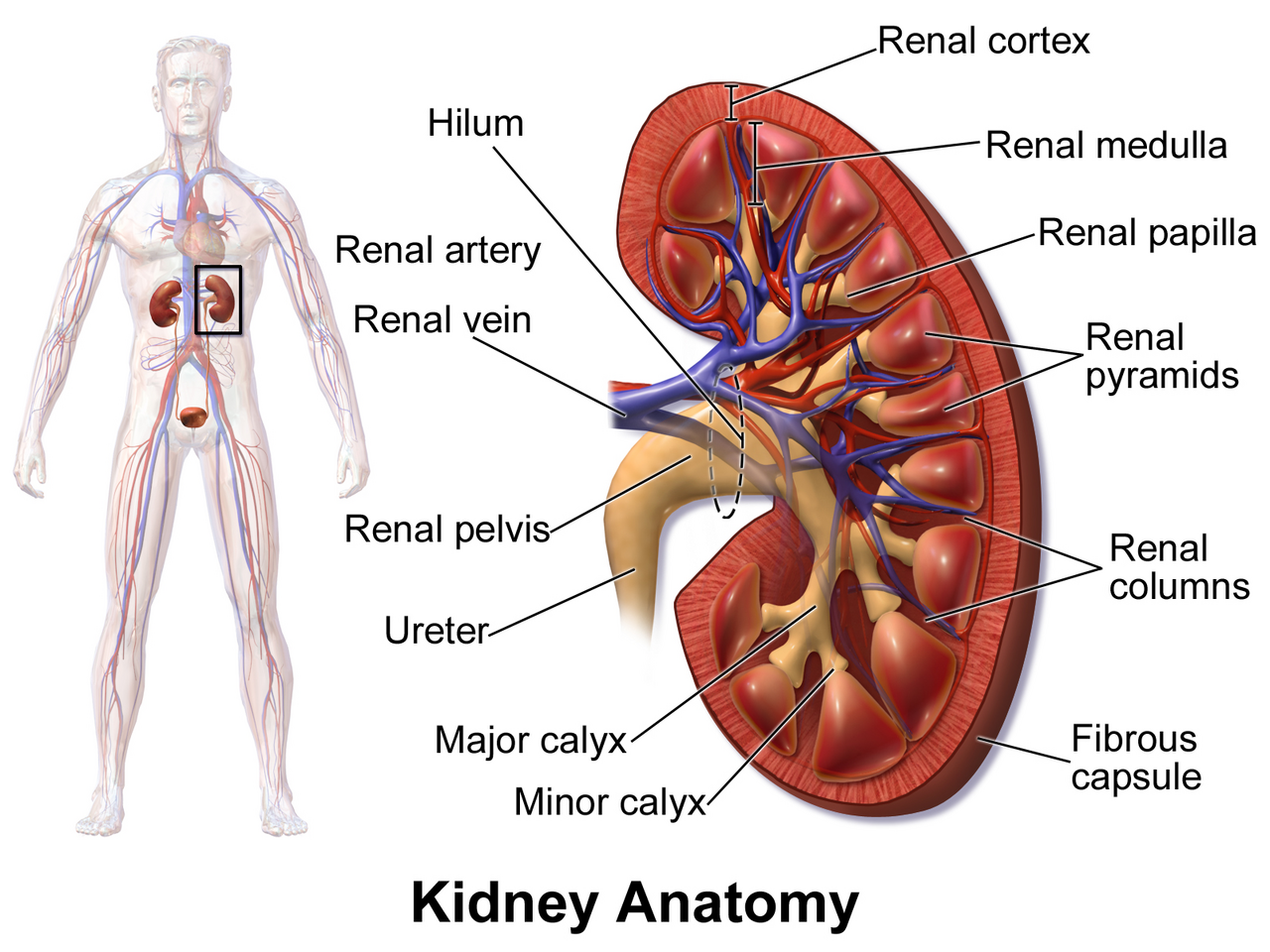
Kidney nephron structure
Kidney Function & Electrolytes
Jul 20, 2026 8 min read

Cystatin C Blood Test: When It Adds Useful Information Beyond Creatinine

Learn what cystatin C measures, why it's less affected by muscle mass than creatinine, and when guidelines recommend using it to confirm a borderline eGFR result.

By Elements84 Editorial Team
Read
Clinical Interpretation

GoodNormal

A good VO₂max is a strong marker of cardiorespiratory reserve for your age and sex. VO₂max above this level is consistently associated with lower cardiovascular mortality.

Common causes
  • Regular aerobic training habits
Lifestyle considerations
  • Protect the routines that got you here
  • Add polarised training (80/20) to keep progressing
  • Regular resistance training complements aerobic reserve
When to consult a healthcare professional

No specific action. Continue routine care.

Medical Evidence

How we ground the VO₂ Max Estimator

Grade A · Clinical guidelines & meta-analysesLast reviewed Feb 12, 2026
Named clinical guidelines
  • Uth N, Sørensen H, Overgaard K, Pedersen PK (2004) — Estimation of VO₂max from HRmax:HRrest — Eur J Appl Physiol 91(1):111-115.
  • Tanaka H, Monahan KD, Seals DR (2001) — Age-predicted HRmax revisited — J Am Coll Cardiol.
  • ACSM Guidelines for Exercise Testing and Prescription, 11th ed. (2022) — VO₂max percentile norms by age and sex.
  • Ross R et al. (2016) — Importance of Assessing Cardiorespiratory Fitness in Clinical Practice — AHA Scientific Statement, Circulation.

The Evidence Foundation

Health information should show both what is known and where certainty ends.

Elements84 brings reviewed health evidence, practical decision tools and plain-English explanations together without presenting educational guidance as diagnosis or treatment.

  1. Named sources
  2. Human evidence separated from theory
  3. Limitations shown beside conclusions
  4. Educational, not diagnostic

Reviewed health evidence, practical decision tools and plain-English health education.

Educational information only. Elements84 provides educational information and decision-support tools. It is not a substitute for professional medical advice, diagnosis or treatment.

© 2026 Elements84.