Supplements · Protein

Protein Supplement Need Calculator

Evidence-based daily protein target + supplement gap (ISSN 2017, Morton 2018).

Your details

Body weight
Training and activity level

Protein needs vary with training phase, health conditions, and diet quality. For chronic kidney disease, pregnancy, or very high-volume training, ask a clinician or dietitian.

Daily protein target
84g / day
< 5 g / day≥ 50 g / day
Small gap — 5-25 g/day

A small gap — 5-25 g/day — is easily closed with one modest whole-food addition (a serving of Greek yogurt, cottage cheese, an extra egg or two) or a small supplement dose (one scoop of whey or plant-based protein powder).

Your breakdown
Target g/kg (Moderately active (3-4 workouts/week))
1.2 g/kg
From food (as entered)
70 g
Supplement gap
14 g (~0.6 scoops)

Whole food first, supplements second. Aim for 3-4 evenly-spaced doses of 20-40 g across the day (Areta 2013).

How the target is set

The daily target is your body weight (kg) multiplied by an activity-appropriate g/kg goal. Ranges: 0.8 g/kg (WHO/IOM adult RDA), 1.2 g/kg (moderately active), 1.6 g/kg (strength/endurance training — Morton 2018 meta-analytic plateau for muscle growth), 2.0 g/kg (hypertrophy focus or elite athletes — ISSN 2017 upper end). Adults 65+ get a 1.0 g/kg floor per PROT-AGE 2013.

Distribution matters

Total daily protein sets the ceiling; distribution unlocks it. Areta 2013 showed muscle-protein-synthesis (MPS) is maximally stimulated by 20-40 g doses of high-quality protein every 3-5 hours. A pattern of 3-4 evenly-spaced protein servings outperforms one large evening meal for hypertrophy.

Whole food first, supplements second

Supplements are a convenience — they exist to close gaps. Whole food (dairy, eggs, fish, poultry, legumes, tofu, tempeh) provides co-nutrients (iron, calcium, B12, zinc) that isolated protein powders do not. Use supplements to reach a target you cannot practically hit with food.

Is high protein safe?

For healthy adults, daily intakes up to 2.0-2.5 g/kg are consistently well-tolerated in the literature. Chronic kidney disease, gout, and pregnancy are exceptions where targets belong to a clinician or dietitian. Contrary to older claims, high-protein diets do not damage healthy kidneys or bones (Devries 2018 meta-analysis).

Category reference

CategoryRange
Sedentary / general health0.8 g/kg
Moderately active1.2 g/kg
Strength or endurance1.6 g/kg
Hypertrophy / elite2.0 g/kg
Older adults (65+) floor1.0 g/kg

Limitations & caveats

  • Dietary intake is self-estimated; 7-day tracking with a food-diary app usually reveals under- or over-estimation.
  • Targets are for healthy adults; chronic kidney disease, gout, and pregnancy require clinician guidance.
  • Protein quality (amino acid profile, digestibility) matters — plant sources may need slightly higher totals or careful combining.
FAQ

Frequently asked questions

Related tools

Keep exploring

Read more

Read up on the science

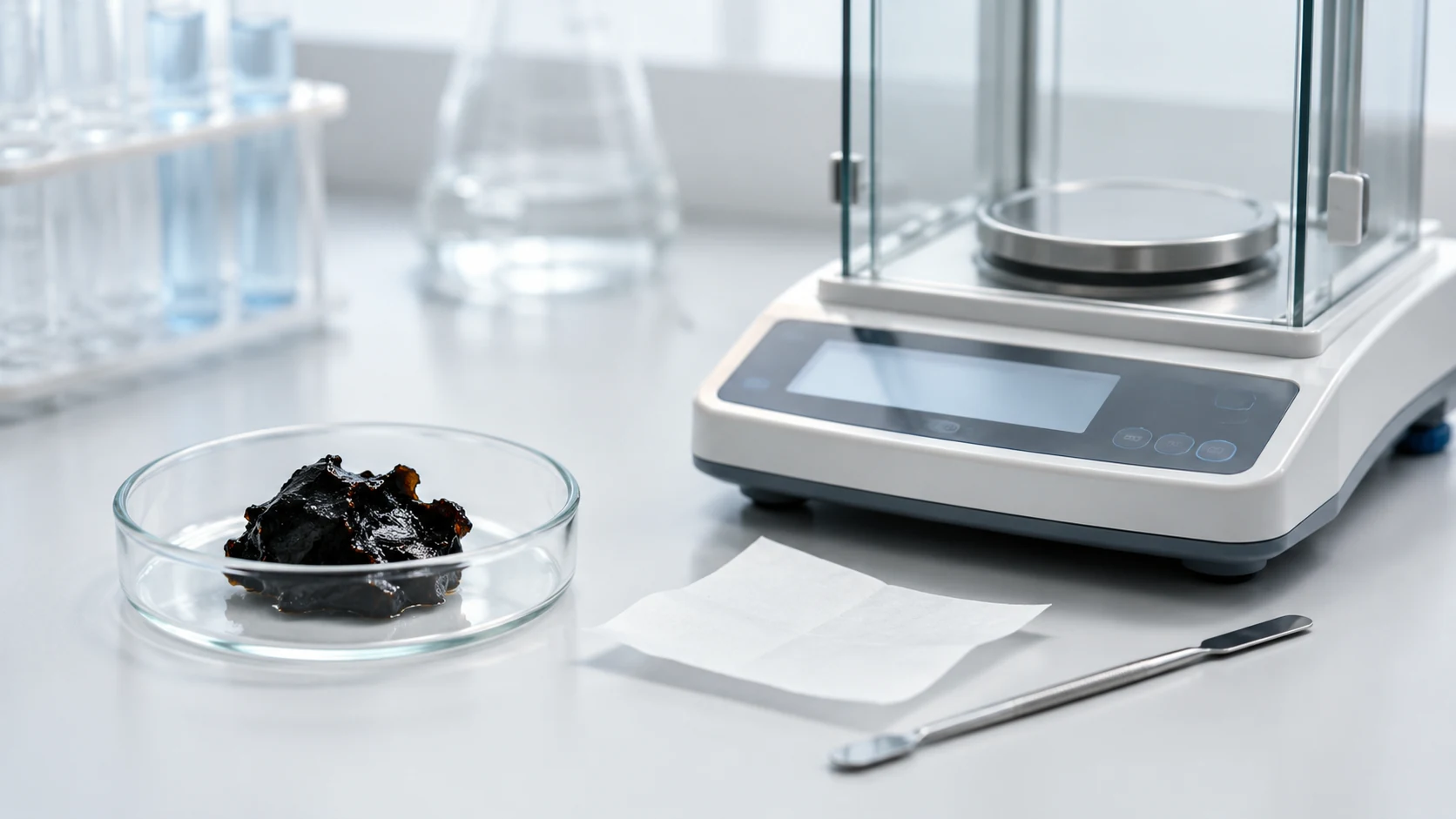
Shilajit resin beside a precision laboratory balance for milligram dose measurement
Supplements
2026-07-17 4 min read

How Much Shilajit Should You Take? Study Doses, Product Labels and Practical Limits

There is no single evidence-based Shilajit dose for everyone. Human studies most often used 200 mg to 500 mg daily, while one collagen-biomarker trial tested 500 mg and 1,000 mg daily. These doses came from specific purified, processed or standardised preparations. They should not be copied blindly to every resin, capsule, gummy, powder or liquid. A practical dose decision starts with the exact formulation, measured serving, batch quality, study goal and personal health context.

By Elements84 Medical Editorial Team
Read

Clinical safety screening for Shilajit use during pregnancy, medication use, childhood and medical conditions
Supplements
2026-07-17 3 min read

Who Should Not Take Shilajit? Safety Questions That Matter Before You Start

Pregnant or breastfeeding people, children, people taking prescription medicines, those with diagnosed medical conditions, anyone planning surgery, and people with fertility, hormonal, bone-health or persistent-fatigue concerns should not start Shilajit without professional advice. Safety findings from small studies apply only to the tested preparations, doses and durations. Product identity, processing and batch-specific testing also matter.

By Elements84 Medical Editorial Team
Read
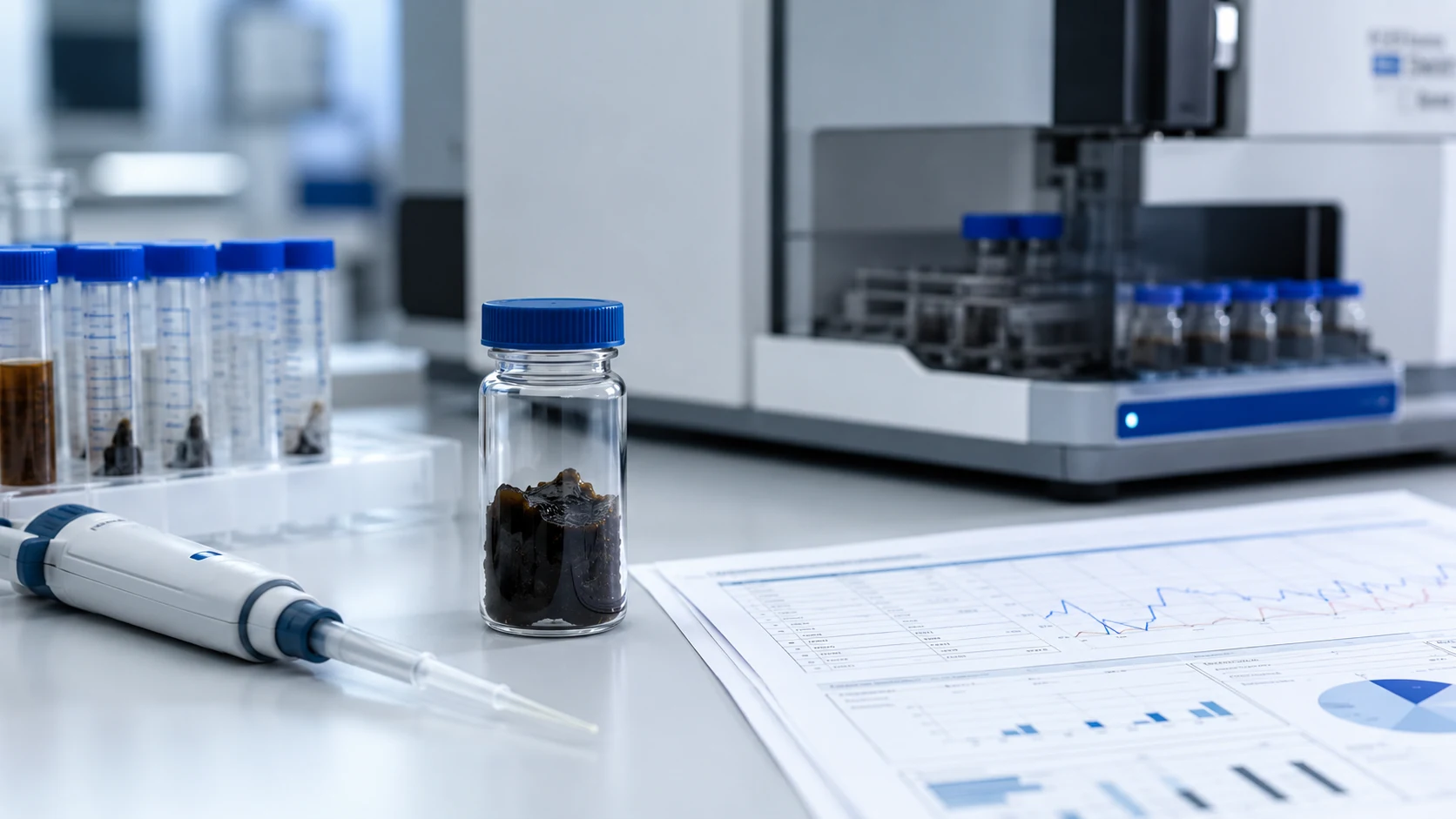
Shilajit laboratory sample with analytical instruments and batch-testing documentation
Supplements
2026-07-17 3 min read

What Makes Shilajit Safe to Use? A Practical Guide to Batch Testing and COAs

A useful Shilajit quality file links a real batch to a named laboratory, test date, methods, units and measured results. A generic certificate, old report or marketing badge does not verify the jar in your hand. Heavy metals, microbiology, formulation identity and claimed composition should be interpreted together. One result applies only to the tested sample or batch.

By Elements84 Medical Editorial Team
Read
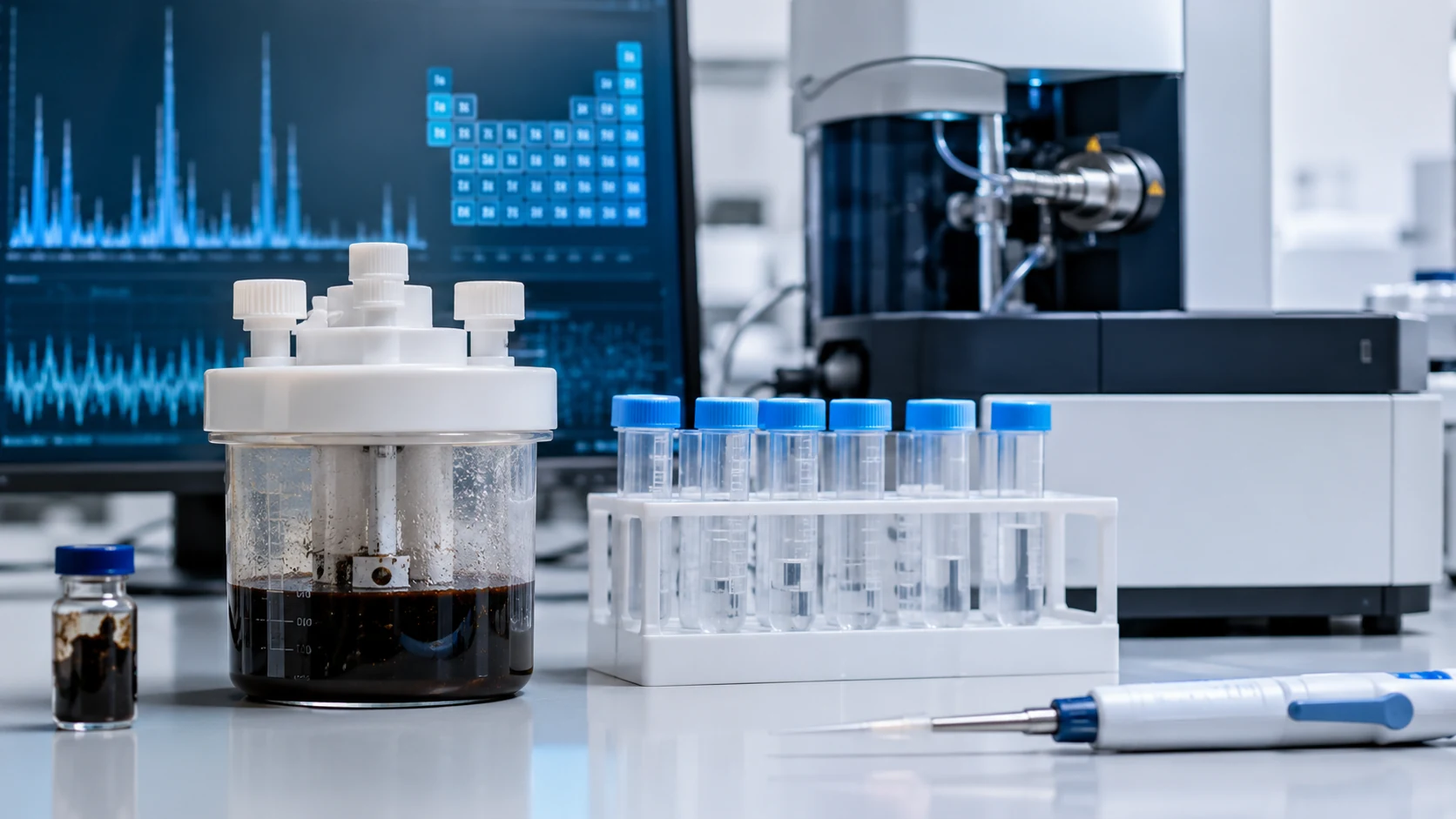
Shilajit sample preparation and analytical laboratory equipment used for heavy-metal testing
Supplements
2026-07-17 3 min read

Heavy Metals in Shilajit: How to Read the Test Without Misreading the Risk

Heavy-metal risk cannot be judged from Shilajit’s appearance, origin story or one old certificate. Elemental composition varies by source and sample. Read the batch number, method, units, reporting limits, serving size and specification. Results apply only to the tested sample. Total arsenic and inorganic arsenic are also different questions.

By Elements84 Medical Editorial Team
Read
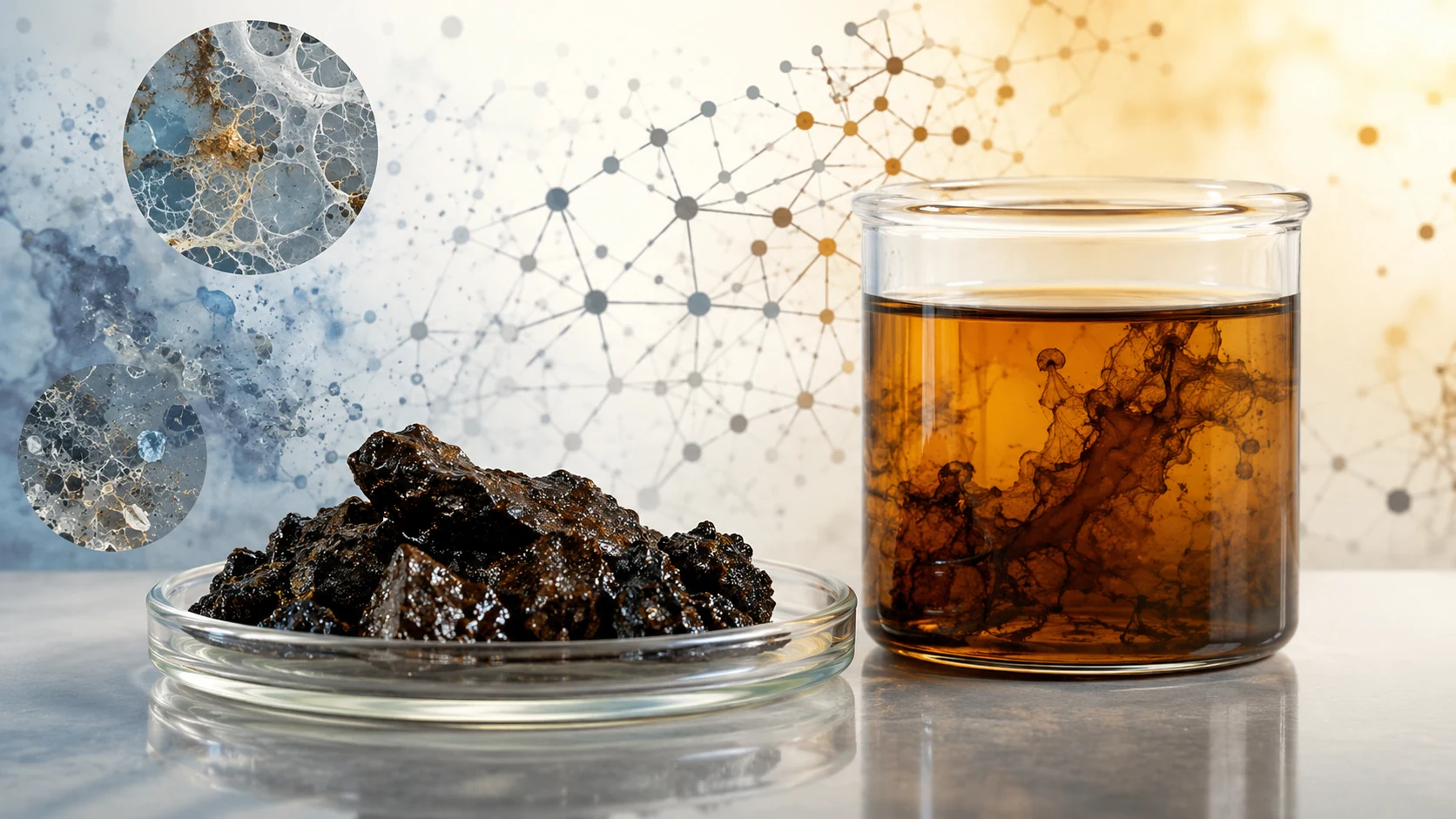
Shilajit resin and amber solution illustrating fulvic acid and dissolved organic composition
Supplements
2026-07-17 3 min read

Fulvic Acid in Shilajit: What the Percentage Tells You, and What It Does Not

Fulvic acid is an important component discussed in Shilajit research, but a higher reported percentage does not automatically mean a safer, more authentic or more effective product. Results depend on sample preparation and analytical method. Compare values only when methods and reporting bases are comparable. Review fulvic acid alongside identity, contaminants, dose and batch traceability.

By Elements84 Medical Editorial Team
Read
Clinical Interpretation

Small gap — 5-25 g/dayBorderline

A small gap — 5-25 g/day — is easily closed with one modest whole-food addition (a serving of Greek yogurt, cottage cheese, an extra egg or two) or a small supplement dose (one scoop of whey or plant-based protein powder).

Common causes
  • Missing one protein-forward meal or snack per day
Lifestyle considerations
  • One scoop of whey or plant-based protein powder is a simple, evidence-based way to close a small gap
  • Whole-food alternatives: Greek yogurt (17 g/200 g), cottage cheese (12 g/100 g), edamame (11 g/100 g), tuna (25 g/100 g)
When to consult a healthcare professional

No specific action based on this alone.

Medical Evidence

How we ground the Protein Supplement Need

Grade A · Clinical guidelines & meta-analysesLast reviewed Feb 12, 2026
Named clinical guidelines
  • Jäger R et al. (2017) — ISSN Position Stand: Protein and Exercise — J Int Soc Sports Nutr
  • Morton RW et al. (2018) — Protein Supplementation Meta-analysis — Br J Sports Med
  • Bauer J et al. (2013) — PROT-AGE Study Group — JAMDA
  • IOM (2005) — Dietary Reference Intakes for Energy, Carbohydrate, Fiber, Fat, Fatty Acids, Cholesterol, Protein

The Evidence Foundation

Health information should show both what is known and where certainty ends.

Elements84 brings reviewed health evidence, practical decision tools and plain-English explanations together without presenting educational guidance as diagnosis or treatment.

  1. Named sources
  2. Human evidence separated from theory
  3. Limitations shown beside conclusions
  4. Educational, not diagnostic

Reviewed health evidence, practical decision tools and plain-English health education.

Educational information only. Elements84 provides educational information and decision-support tools. It is not a substitute for professional medical advice, diagnosis or treatment.

© 2026 Elements84.