Supplements · Vitamin D

Vitamin D Dose-to-Target Calculator

Daily D3 dose to reach a target 25(OH)D, adjusted for BMI (Ekwaru 2014 + IOM cap).

Your details

Current 25(OH)D
Target 25(OH)D
Your BMI category

This is an informational estimate, not a prescription or diagnosis. Any intake above the IOM 2011 adult upper limit (4000 IU/day) should only be considered with a qualified healthcare professional.

Daily dose (loading, 12 weeks)
600IU / day
< 30 IU / day≥ 250 IU / day
Baseline: below the higher clinical sufficiency threshold

A baseline 25(OH)D of 30–49 nmol/L (12–19 ng/mL) sits below the higher clinical sufficiency threshold used by the Endocrine Society 2011. IOM 2011 considers this range as marginal, with population sufficiency starting at 50 nmol/L. Guidelines differ; interpretation is individual.

Your numbers
25(OH)D gap to close
35 nmol/L (14 ng/mL)
Daily dose (µg)
15 µg / day
Maintenance dose (after target reached)
2000 IU (50 µg) / day
Ekwaru slope (nmol/L per IU/day)
0.058

How the estimate works

Ekwaru 2014 showed that the rise in serum 25(OH)D per IU of daily vitamin D3 depends on body weight: about 0.058 nmol/L per IU in normal-weight adults, 0.036 in overweight adults, and 0.027 in obese adults. Given your baseline, target, and BMI category, this tool computes the daily dose that would close the gap over ~12 weeks (the time to steady state).

Sufficiency: 50 or 75 nmol/L?

The IOM 2011 dietary reference intakes set sufficiency at 50 nmol/L (20 ng/mL) — the level associated with skeletal health across the population. The Endocrine Society 2011 guideline targets 75 nmol/L (30 ng/mL) for individuals with risk factors. Both are defensible; a clinician can advise which target fits your situation.

The 4000 IU/day safety cap

IOM 2011 sets the tolerable upper intake (UL) for adults at 4000 IU/day. This tool clips any recommendation at that cap. Higher doses can be clinically appropriate short-term but should be supervised — vitamin D toxicity is rare but real at sustained levels above ~250 nmol/L.

When to retest

Retest 25(OH)D approximately 12 weeks after starting or changing a dose — that is the pharmacological time to steady state. Testing sooner can under-estimate the eventual level.

Category reference

CategoryRange
Deficient< 30 nmol/L (< 12 ng/mL)
Insufficient30 – 49 nmol/L (12 – 19 ng/mL)
Sufficient50 – 124 nmol/L (20 – 49 ng/mL)
High125 – 249 nmol/L (50 – 99 ng/mL)
Potentially toxic≥ 250 nmol/L (≥ 100 ng/mL)

Limitations & caveats

  • A population-average dose-response model — individuals vary by 2-3× around the slope.
  • BMI is a rough proxy for adipose sequestration; body composition matters too.
  • Certain medications (glucocorticoids, anticonvulsants, some antifungals) accelerate vitamin D metabolism and require higher doses.
  • Malabsorption conditions require clinician-supervised dosing.
FAQ

Frequently asked questions

Related tools

Keep exploring

Read more

Read up on the science

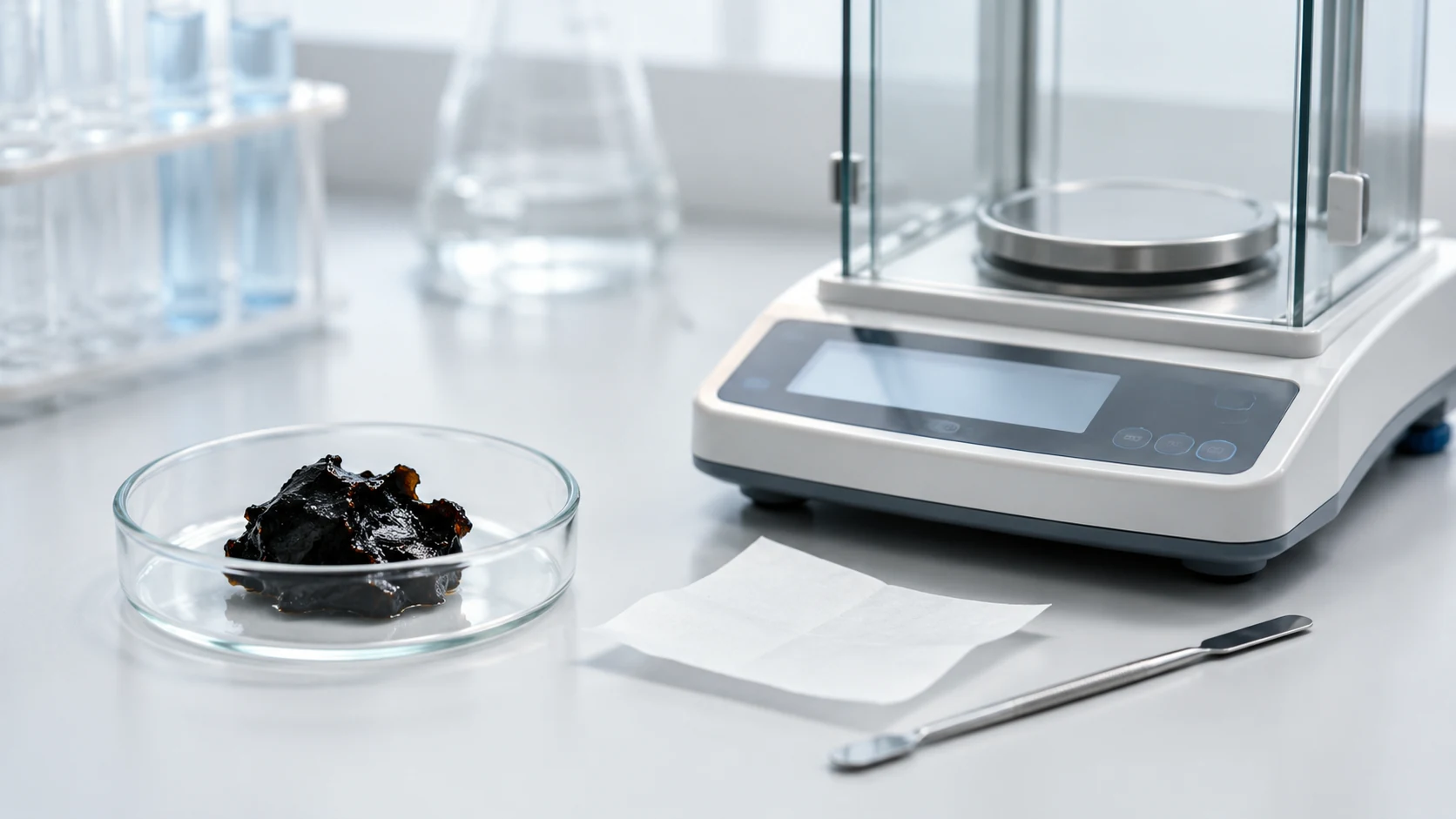
Shilajit resin beside a precision laboratory balance for milligram dose measurement
Supplements
2026-07-17 4 min read

How Much Shilajit Should You Take? Study Doses, Product Labels and Practical Limits

There is no single evidence-based Shilajit dose for everyone. Human studies most often used 200 mg to 500 mg daily, while one collagen-biomarker trial tested 500 mg and 1,000 mg daily. These doses came from specific purified, processed or standardised preparations. They should not be copied blindly to every resin, capsule, gummy, powder or liquid. A practical dose decision starts with the exact formulation, measured serving, batch quality, study goal and personal health context.

By Elements84 Medical Editorial Team
Read

Clinical safety screening for Shilajit use during pregnancy, medication use, childhood and medical conditions
Supplements
2026-07-17 3 min read

Who Should Not Take Shilajit? Safety Questions That Matter Before You Start

Pregnant or breastfeeding people, children, people taking prescription medicines, those with diagnosed medical conditions, anyone planning surgery, and people with fertility, hormonal, bone-health or persistent-fatigue concerns should not start Shilajit without professional advice. Safety findings from small studies apply only to the tested preparations, doses and durations. Product identity, processing and batch-specific testing also matter.

By Elements84 Medical Editorial Team
Read
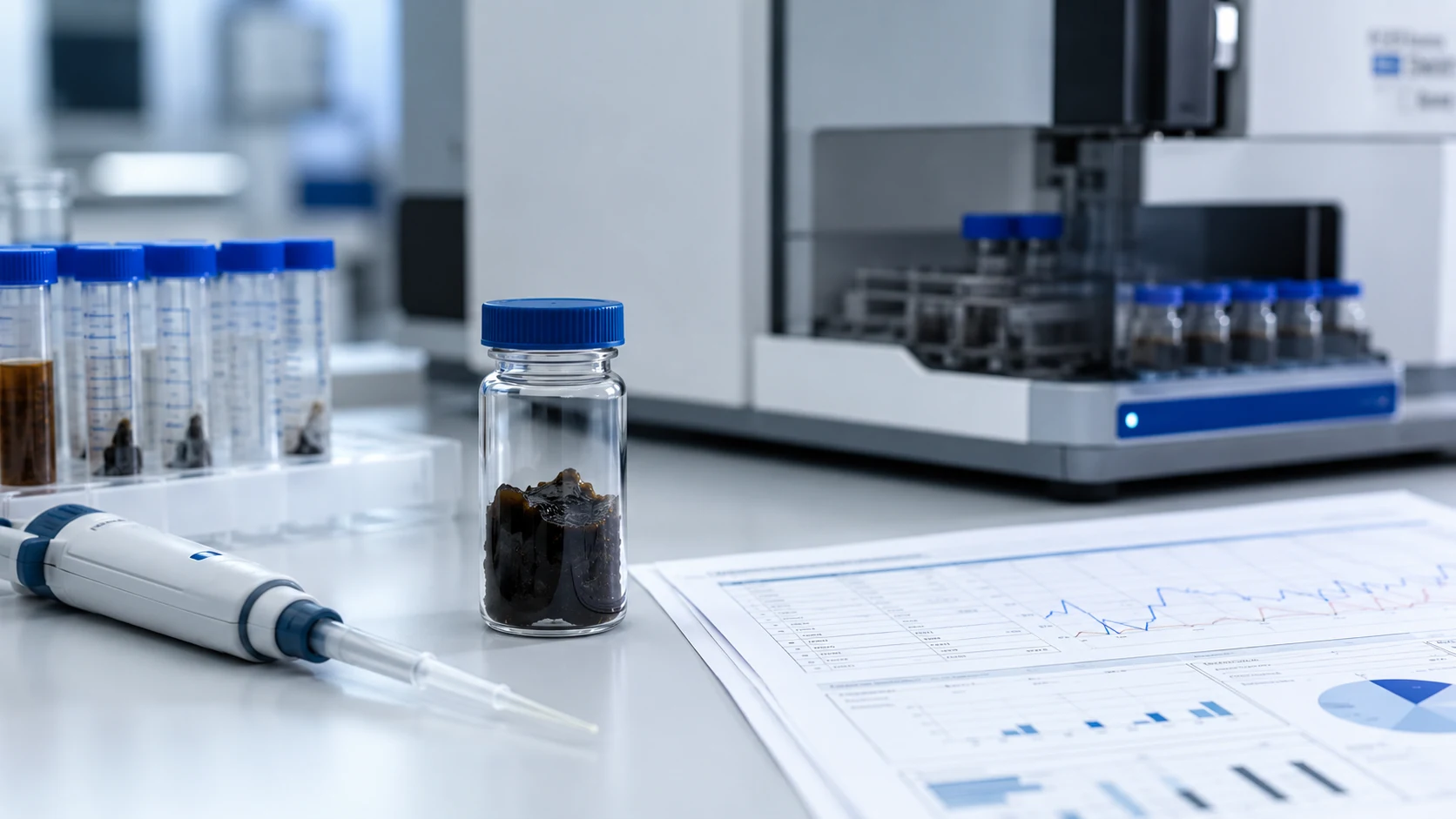
Shilajit laboratory sample with analytical instruments and batch-testing documentation
Supplements
2026-07-17 3 min read

What Makes Shilajit Safe to Use? A Practical Guide to Batch Testing and COAs

A useful Shilajit quality file links a real batch to a named laboratory, test date, methods, units and measured results. A generic certificate, old report or marketing badge does not verify the jar in your hand. Heavy metals, microbiology, formulation identity and claimed composition should be interpreted together. One result applies only to the tested sample or batch.

By Elements84 Medical Editorial Team
Read
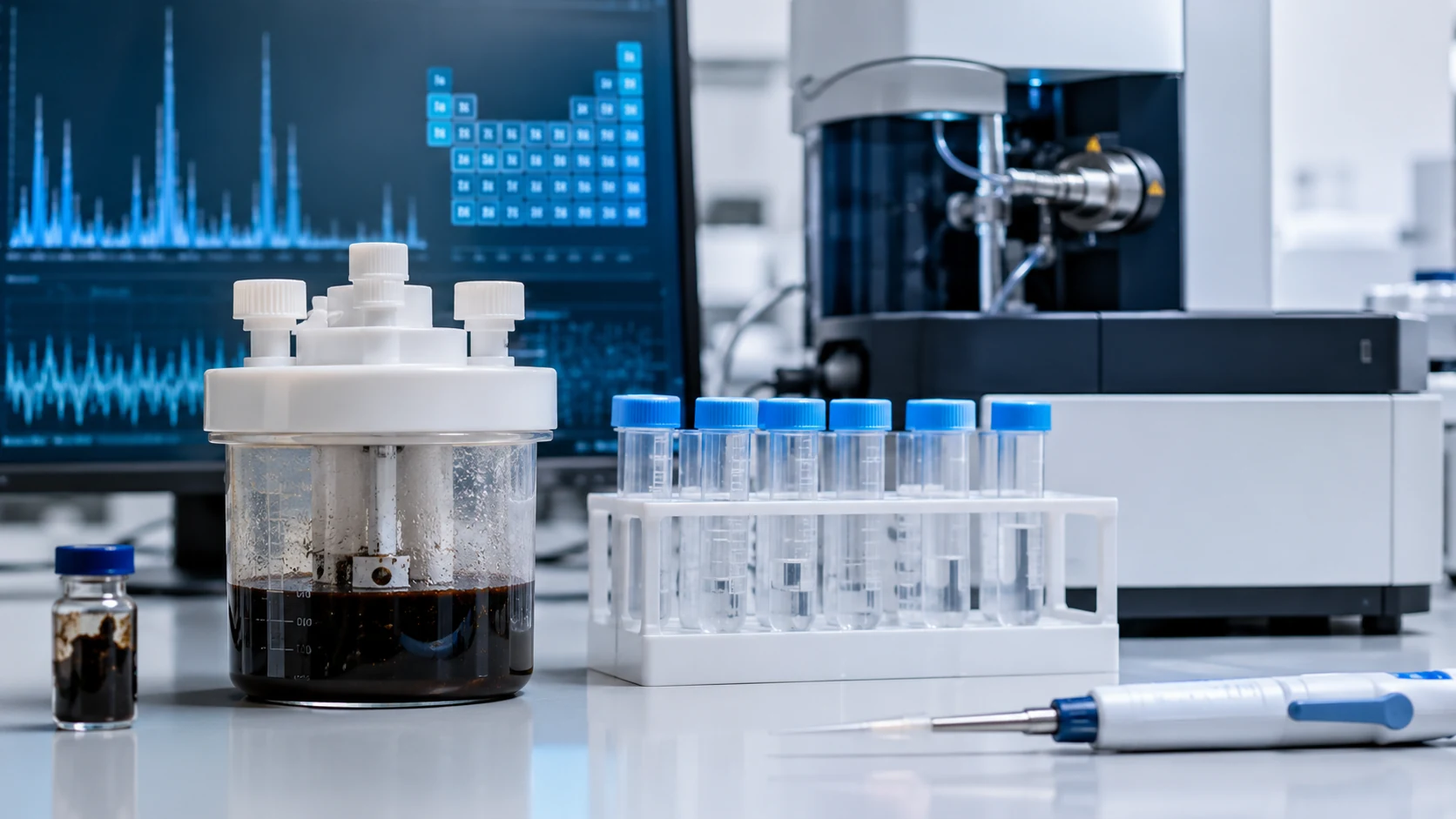
Shilajit sample preparation and analytical laboratory equipment used for heavy-metal testing
Supplements
2026-07-17 3 min read

Heavy Metals in Shilajit: How to Read the Test Without Misreading the Risk

Heavy-metal risk cannot be judged from Shilajit’s appearance, origin story or one old certificate. Elemental composition varies by source and sample. Read the batch number, method, units, reporting limits, serving size and specification. Results apply only to the tested sample. Total arsenic and inorganic arsenic are also different questions.

By Elements84 Medical Editorial Team
Read
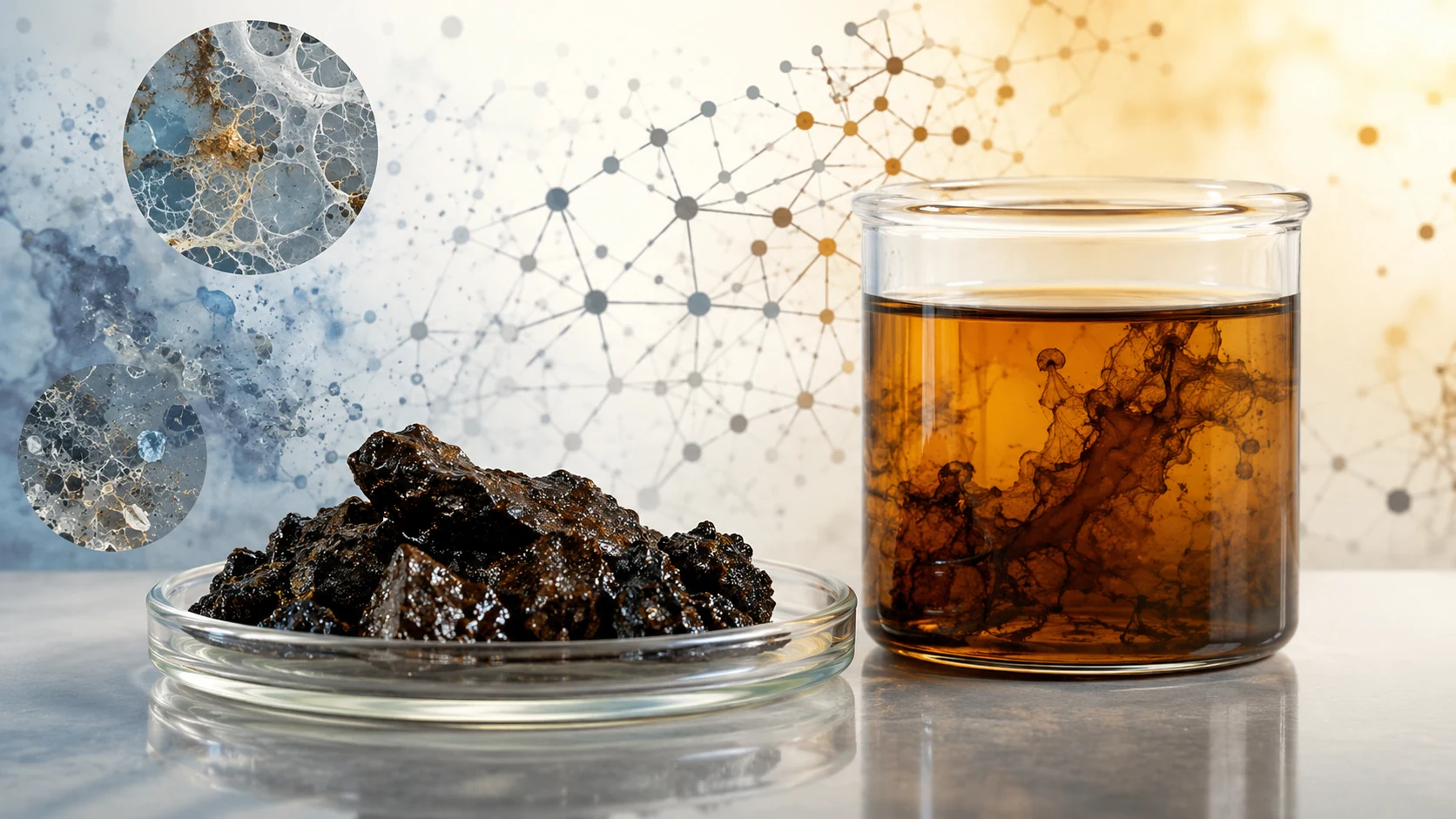
Shilajit resin and amber solution illustrating fulvic acid and dissolved organic composition
Supplements
2026-07-17 3 min read

Fulvic Acid in Shilajit: What the Percentage Tells You, and What It Does Not

Fulvic acid is an important component discussed in Shilajit research, but a higher reported percentage does not automatically mean a safer, more authentic or more effective product. Results depend on sample preparation and analytical method. Compare values only when methods and reporting bases are comparable. Review fulvic acid alongside identity, contaminants, dose and batch traceability.

By Elements84 Medical Editorial Team
Read
Practical decision

What "Baseline: below the higher clinical sufficiency threshold" means

This tool estimates an informational daily vitamin D3 intake that could move serum 25(OH)D from your baseline toward a chosen target over approximately 12 weeks, using the BMI-stratified Ekwaru 2014 dose-response model. The number is a population-average estimate — individual response can vary by two to three times around the model slope. The IOM 2011 adult tolerable upper limit (4000 IU/day) is used as a safety cap; any higher intake belongs with a qualified healthcare professional.

What to do next

Use the estimate as one input alongside your original laboratory report and clinical context — not as a prescription or a diagnosis. Confirm baseline and target units, discuss with a qualified healthcare professional which sufficiency target fits your situation (IOM 50 nmol/L vs Endocrine Society 75 nmol/L), take vitamin D with a fatty meal for absorption, and retest 25(OH)D at approximately 12 weeks. Do not exceed the IOM adult upper limit (4000 IU/day) without professional supervision.

This is an informational estimate, not a prescription or a diagnosis of vitamin D deficiency. Any intake above the IOM 2011 upper limit, and any treatment of low levels, should only be considered with a qualified healthcare professional.

What the formula measures
  • A population-average daily intake estimate to move 25(OH)D from a baseline toward a chosen target
  • BMI-stratified dose-response (Ekwaru 2014) — the slope differs at higher body-fat mass
  • A recommendation capped at the IOM 2011 adult upper limit (4000 IU/day)
What it does not measure
  • Individual variability in 25(OH)D response (roughly 2–3× around the population slope)
  • Serum calcium, phosphate, parathyroid hormone or bone density
  • Active 1,25-dihydroxyvitamin D or vitamin D binding protein
  • Underlying causes of a low or high level (malabsorption, granulomatous disease, medications)
  • Sun exposure, dietary intake or seasonal variation
  • Individual disease risk or the presence of any medical condition
Where it does not apply
  • Pregnancy and breastfeeding — targets and safety considerations may differ; discuss with a qualified healthcare professional
  • Chronic kidney disease — activation of vitamin D is altered; specialist input is needed
  • Hypercalcaemia or a history of hypercalcaemia — vitamin D can worsen it; do not supplement without professional advice
  • Granulomatous diseases (sarcoidosis, tuberculosis, some lymphomas) — can produce endogenous active vitamin D and increase toxicity risk
  • Malabsorption conditions (coeliac, IBD, bariatric surgery) — dose-response is altered and specialist input is needed
  • Medications that alter vitamin D metabolism (glucocorticoids, phenytoin, phenobarbital, rifampicin, some antifungals)
  • Children and adolescents — paediatric targets and upper limits differ from adult values
  • Older adults on multiple medications — falls, hypercalcaemia and interactions warrant professional review
How to measure correctly
  • Enter the baseline 25(OH)D value from your most recent laboratory report — do not substitute a home or point-of-care reading
  • Confirm the unit on the report (nmol/L or ng/mL) and select the same unit here
  • Choose a target within the range your qualified healthcare professional considers appropriate for you
  • Choose the BMI category that matches your current adult body-size band
  • Do not exceed the IOM 2011 adult upper limit of 4000 IU/day without professional supervision
  • Retest at approximately 12 weeks — 25(OH)D reaches steady state slowly
Clinical Interpretation

Baseline: below the higher clinical sufficiency thresholdBorderline

A baseline 25(OH)D of 30–49 nmol/L (12–19 ng/mL) sits below the higher clinical sufficiency threshold used by the Endocrine Society 2011. IOM 2011 considers this range as marginal, with population sufficiency starting at 50 nmol/L. Guidelines differ; interpretation is individual.

Common causes
  • Limited sun exposure or dietary intake
  • Higher body-fat mass can lower dose-response
  • Some medications (glucocorticoids, anticonvulsants) can accelerate metabolism
Lifestyle considerations
  • A modest daily intake usually moves the level closer to the sufficiency range over ~12 weeks
  • Take with a meal containing fat
  • Retest at approximately 12 weeks — steady state takes time
When to consult a healthcare professional

Consider discussing the appropriate target with a qualified healthcare professional — different guidelines set sufficiency at 50 vs 75 nmol/L.

Medical Evidence

How we ground the Vitamin D Dose-to-Target

Grade A · Clinical guidelines & meta-analysesLast reviewed Feb 12, 2026
Named clinical guidelines
  • Ekwaru JP et al. (2014) — Body-weight-stratified dose-response — PLoS ONE
  • Holick MF et al. (2011) — Endocrine Society Clinical Practice Guideline — JCEM
  • Institute of Medicine (2011) — Dietary Reference Intakes for Calcium and Vitamin D
  • Durup D et al. (2015) — 25(OH)D and mortality (U-shaped curve) — JCEM

The Evidence Foundation

Health information should show both what is known and where certainty ends.

Elements84 brings reviewed health evidence, practical decision tools and plain-English explanations together without presenting educational guidance as diagnosis or treatment.

  1. Named sources
  2. Human evidence separated from theory
  3. Limitations shown beside conclusions
  4. Educational, not diagnostic

Reviewed health evidence, practical decision tools and plain-English health education.

Educational information only. Elements84 provides educational information and decision-support tools. It is not a substitute for professional medical advice, diagnosis or treatment.

© 2026 Elements84.