Children · Growth

Adult Height Predictor (Mid-Parental) Calculator

Estimate a child’s adult height from parental heights — Tanner mid-parental method.

Your details

Child’s biological sex
Father’s height
Mother’s height

A genetic-potential estimate — not a prediction. Actual adult height is influenced by nutrition, health, and puberty timing. Skeletal maturity determines the final answer.

Estimated adult height (mid-point)
178.0cm
Estimated adult height range

This is the mid-parental estimate of the child’s eventual adult height (Tanner 1970), with a ± 8.5 cm range that captures roughly 95% of children.

Tanner mid-parental estimate
Estimated adult height (mid-point)
178 cm (70.1 in)
Target range (± 8.5 cm)
169.5 – 186.5 cm
Target range (± 3.3 in)
66.7 – 73.4 in

Estimate, not a prediction. ± 8.5 cm captures ~ 95% of children (Tanner 1970).

The Tanner mid-parental formula

For a boy: (father + mother + 13 cm) / 2. For a girl: (father + mother − 13 cm) / 2. The 13 cm shift approximates the sex-based average adult height difference. A ± 8.5 cm range captures roughly 95% of children (Tanner 1970).

How much of height is genetic

Twin and family studies estimate 60-80% of adult height variance is genetic. Nutrition, sleep, and health during growth years fill much of the remainder. Extreme deprivation can reduce final height by 5-10 cm; extreme optimisation cannot exceed genetic potential.

Best used alongside the growth trajectory

A child tracking at the 25th percentile whose mid-parental estimate is 175 cm is following their genetic potential. A child tracking at the 90th percentile whose mid-parental estimate is 165 cm may be growing ahead of family pattern — a paediatrician interprets that combination.

Category reference

CategoryRange
Genetic potential range± 8.5 cm around mid-parental estimate

Limitations & caveats

  • Estimate — not a prediction. Individual variation is ± 8.5 cm.
  • Assumes both biological parents are known. Not applicable when parental height is unknown or biological parents differ.
  • Chronic illness or early/late puberty can move the actual adult height outside the range.
  • Not a diagnosis — a paediatrician interprets it alongside the current growth trajectory.
FAQ

Frequently asked questions

Related tools

Keep exploring

Read more

Read up on the science

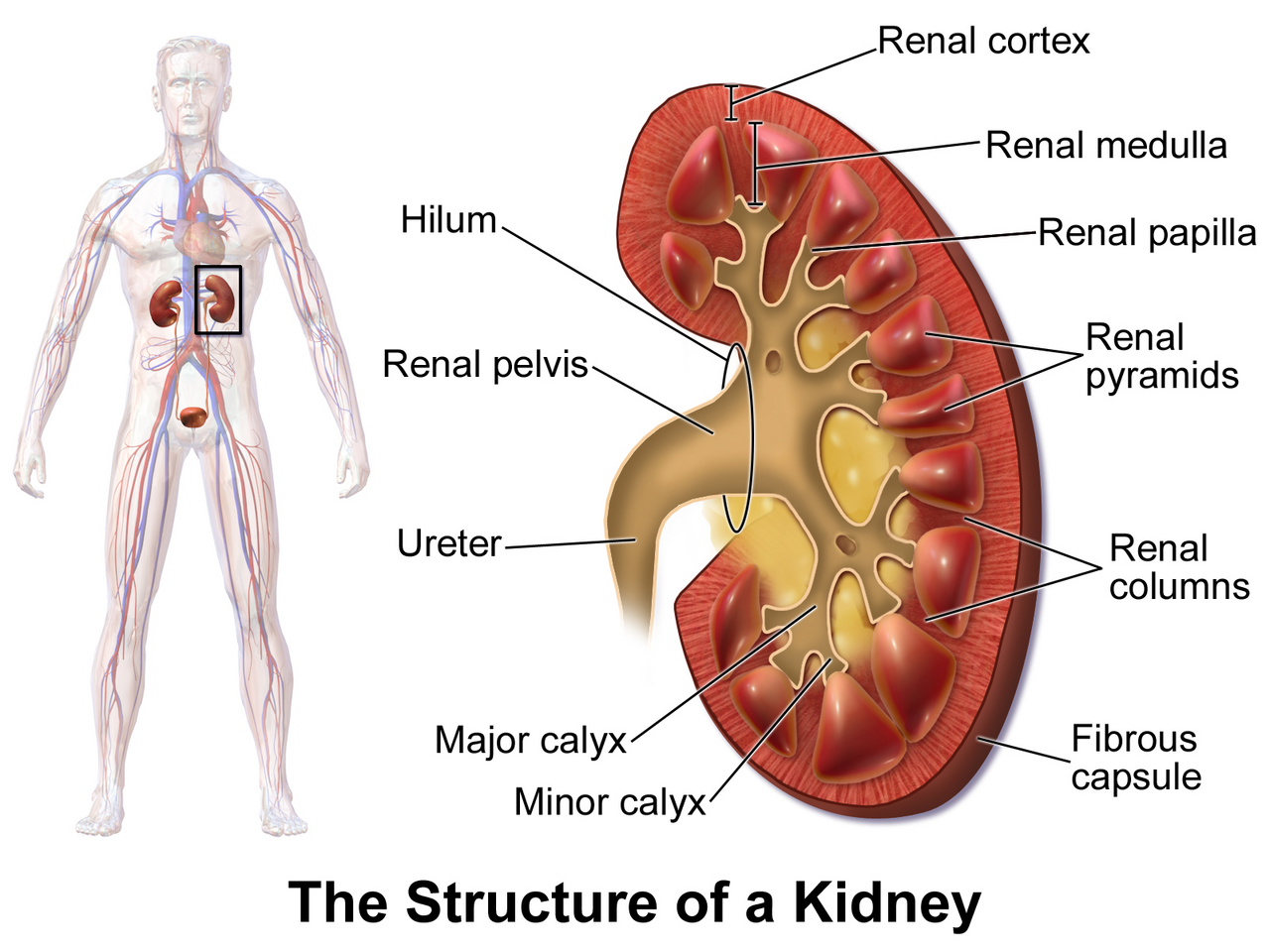
Kidney anatomy and nephron
Kidney Function & Electrolytes
Jul 20, 2026 9 min read

Creatinine and eGFR: What These Kidney Function Results Mean Together

Understand what creatinine and estimated GFR (eGFR) measure, why eGFR is a calculated estimate rather than a direct measurement, and why one result cannot diagnose chronic kidney disease on its own.

By Elements84 Editorial Team
Read
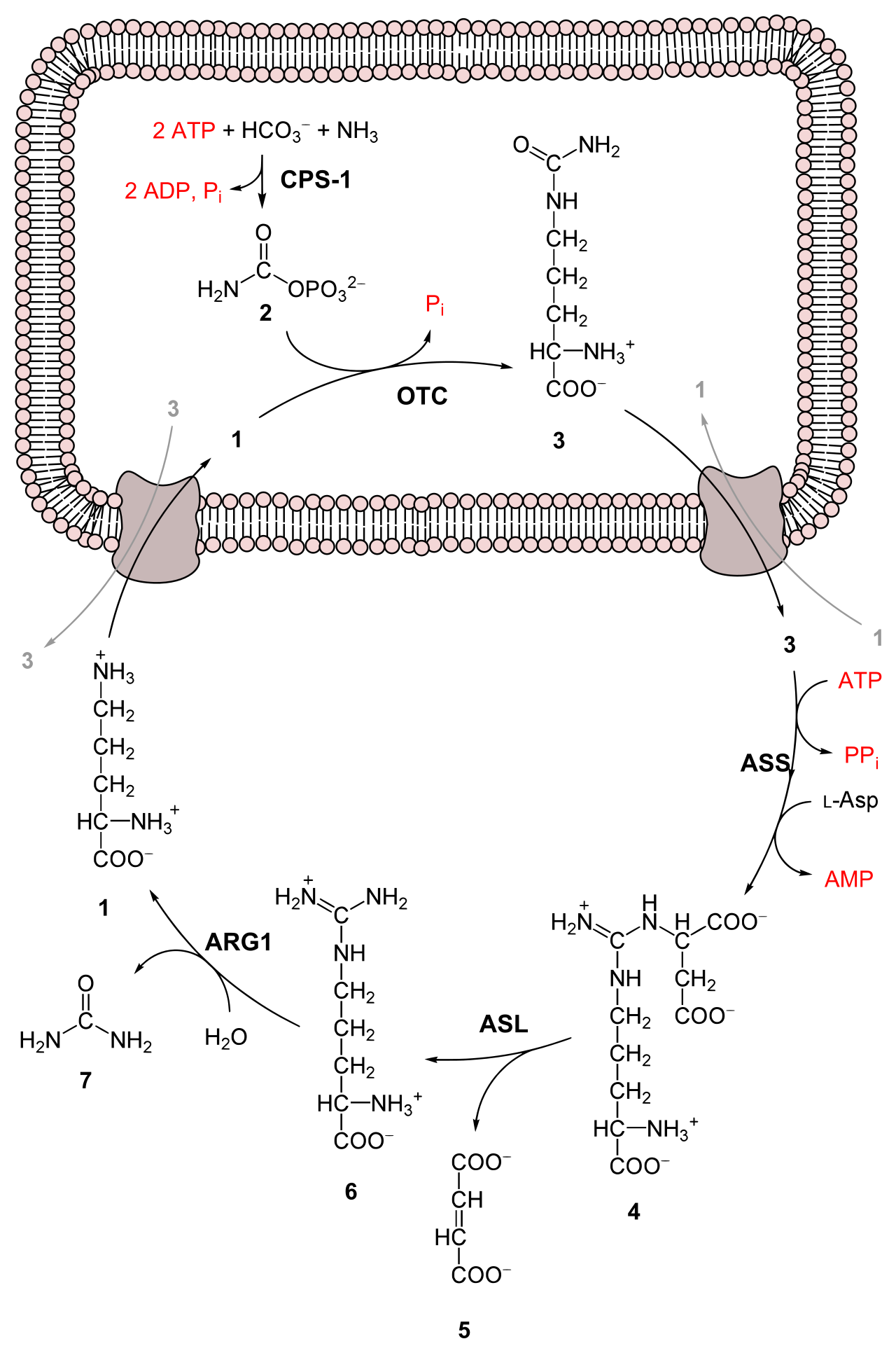
Urea cycle in nitrogen excretion
Kidney Function & Electrolytes
Jul 20, 2026 8 min read

BUN Blood Test Explained: What High and Low Results Can Mean

Learn what blood urea nitrogen (BUN) measures, why it can rise for reasons unrelated to kidney filtration, and why the BUN-to-creatinine ratio adds context a single BUN value can't.

By Elements84 Editorial Team
Read
Urine test strip for albumin and other markers
Kidney Function & Electrolytes
Jul 20, 2026 9 min read

Urine Albumin-to-Creatinine Ratio: An Early Kidney-Damage Test Explained

Learn why urine albumin-to-creatinine ratio (uACR) can detect kidney damage before eGFR falls, how the A1/A2/A3 categories work, and what can cause a falsely elevated result.

By Elements84 Editorial Team
Read
Kidney nephron structure
Kidney Function & Electrolytes
Jul 20, 2026 8 min read

Cystatin C Blood Test: When It Adds Useful Information Beyond Creatinine

Learn what cystatin C measures, why it's less affected by muscle mass than creatinine, and when guidelines recommend using it to confirm a borderline eGFR result.

By Elements84 Editorial Team
Read
Clinical Interpretation

Estimated adult height rangeNormal

This is the mid-parental estimate of the child’s eventual adult height (Tanner 1970), with a ± 8.5 cm range that captures roughly 95% of children.

Common causes
  • Genetic potential from both parents
Lifestyle considerations
  • Balanced nutrition (protein, calcium, vitamin D) throughout childhood
  • Adequate sleep — growth hormone releases during deep sleep
  • Manage any chronic illness proactively
When to consult a healthcare professional

A paediatrician tracks the child’s current height percentile trajectory against this genetic target over time.

Medical Evidence

How we ground the Adult Height Predictor (Mid-Parental Height)

Grade A · Clinical guidelines & meta-analysesLast reviewed Feb 12, 2026
Named clinical guidelines
  • Tanner JM (1970) — Standards for growth from birth to maturity — Arch Dis Child
  • Cole TJ (2000) — Secular trends in growth — Proc Nutr Soc
References

The Evidence Foundation

Health information should show both what is known and where certainty ends.

Elements84 brings reviewed health evidence, practical decision tools and plain-English explanations together without presenting educational guidance as diagnosis or treatment.

  1. Named sources
  2. Human evidence separated from theory
  3. Limitations shown beside conclusions
  4. Educational, not diagnostic

Reviewed health evidence, practical decision tools and plain-English health education.

Educational information only. Elements84 provides educational information and decision-support tools. It is not a substitute for professional medical advice, diagnosis or treatment.

© 2026 Elements84.